

FROM BLOCK TO BRUSH
A selection of paintings by Japanese artists.
The majority of the artists represented in this exhibition are celebrated primarily as masters of the Japanese woodblock print. Yet many were also accomplished painters and draftsmen whose artistic lives extended well beyond the printed image. Bringing together original oil paintings and drawings by artists better known for their woodblock prints, this exhibition offers a rare opportunity to encounter another side of their creative practice—and, in doing so, to understand their printed work more fully.
These unique works are particularly revealing because they bring us closer to the artist’s hand. A woodblock print, however personal its conception, is ultimately shaped by the particular demands of carving, printing, paper, and pigment—and, in the case of shin hanga, often by the collaborative skills of publisher, carver, and printer. A drawing or painting is different. Here, the immediacy of line, the handling of a brush, the modeling of form, and the application of color remain direct expressions of the artist. They reveal abilities as draftsmen, painters, and colorists that can be less apparent in the finished print.
At the same time, these paintings and drawings frequently speak directly to the artists’ printed bodies of work. Familiar approaches to composition, atmosphere, landscape, portraiture, and the depiction of light may appear in another medium, allowing us to recognize ideas that moved freely between painting, drawing, and printmaking. At other moments, the differences are equally illuminating: an artist known for the precision and refinement of the woodblock may appear unexpectedly loose and spontaneous in paint, while qualities that seem inherent to a print can suddenly be understood as part of a much broader artistic vocabulary.
Many of these works also reflect the importance of Yōga, or Western-style painting, in the development of modern Japanese art. Techniques of realism, perspective, modeling, and oil painting offered artists new ways to describe the visible world, but these methods were absorbed into sensibilities already shaped by Japanese traditions of line, composition, color, and space. For artists who moved between painting and printmaking, the distinction between Western and Japanese modes could become remarkably fluid, each informing the other.
Seen together, these original works expand our understanding of artists too often defined by a single medium. They allow us to look beyond the celebrated woodblock prints to the larger artistic intelligence behind them—to see how these artists observed, drew, painted, experimented, and developed ideas before and beyond the printed image. In doing so, the paintings and drawings do more than complement their better-known prints: they deepen our understanding of the artists themselves.

Vetheuil, France
Kanae Yamamoto (1882–1946)
MEDIUM: Pastel, gauche, graphite, and pigment on paper
DATE: 1912
DIMENSIONS: 8 × 12 inches
CONDITION: Excellent, no problems to note
SOLD
Contact us to purchase

Countryside in Brittany
Kanae Yamamoto (1882–1946)
MEDIUM: Oil on panel
DATE: 1919
DIMENSIONS: 8 3/4 × 13 inches
CONDITION: Excellent, no problems to note
SOLD
Contact us to purchase
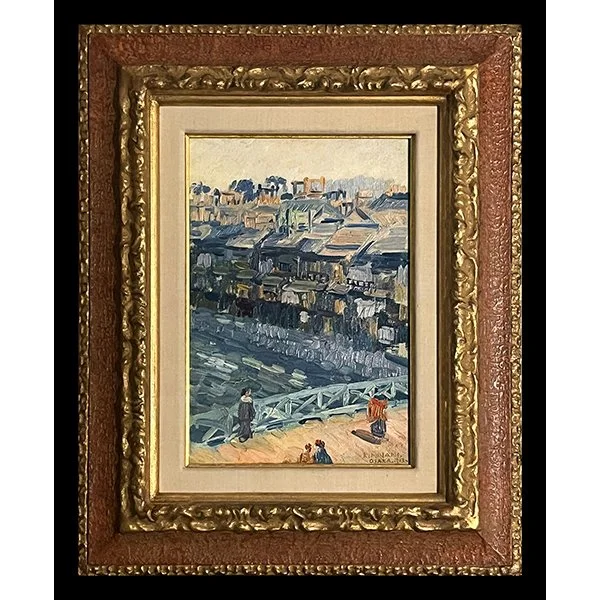
Osaka
Kunzo Minami (1883-1950)
MEDIUM: Oil on canvas mounted onto board
DATE: 1913
DIMENSIONS: 10 × 7 inches (panel size)
CONDITION: Excellent, no problems to note
NOTE: Framed
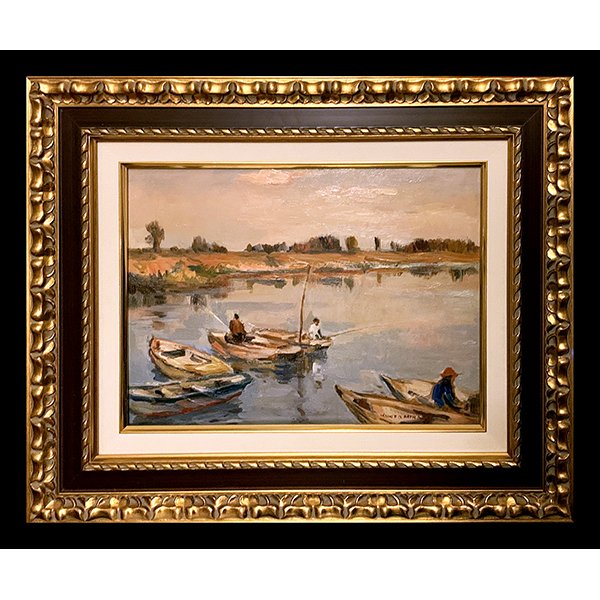
Fisherman
Kunzo Minami (1883-1950)
MEDIUM: Oil on canvas
DATE: Circa late 1930s to early 1940
DIMENSIONS: 12-1/4 x 16-1/4” (canvas)
CONDITION: Excellent, no problems to note
SOLD
Contact us to purchase
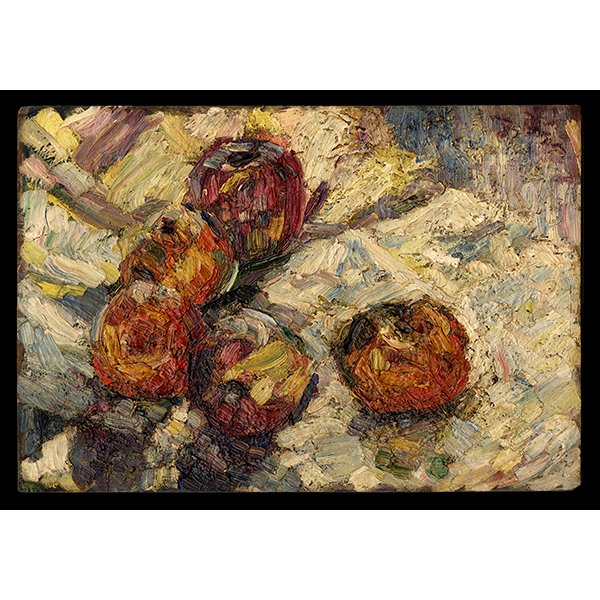
Apples and Persimmons
Koshiro Onchi (1891–1955)
MEDIUM: Oil on panel
DATE: 1908
DIMENSIONS: 13 × 9 ½ inches
CONDITION: Excellent
SOLD
Contact us to purchase
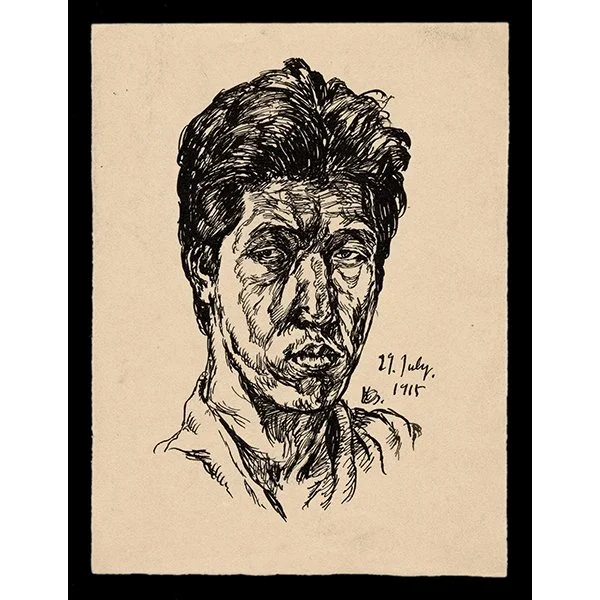
Self-Portrait
Koshiro Onchi (1891–1955)
MEDIUM: Ink on paper
DATE: 1915
DIMENSIONS: 6 ½ x 4 ½ inches
CONDITION: Excellent
SOLD
Contact us to purchase
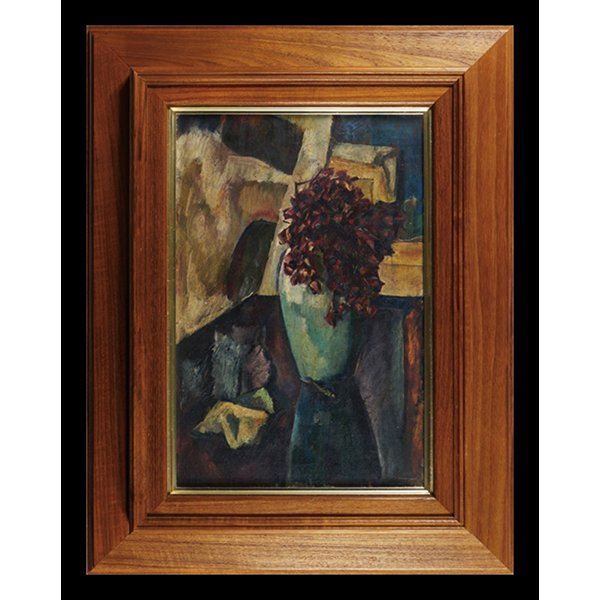
Still Life with Flowers in Vase
Koshiro Onchi (1891–1955)
MEDIUM: Oil on canvas
DATE: 1919
DIMENSIONS: 16 12 × 10 ¾ inches (canvas size)
CONDITION: Excellent
SOLD
Contact us to purchase
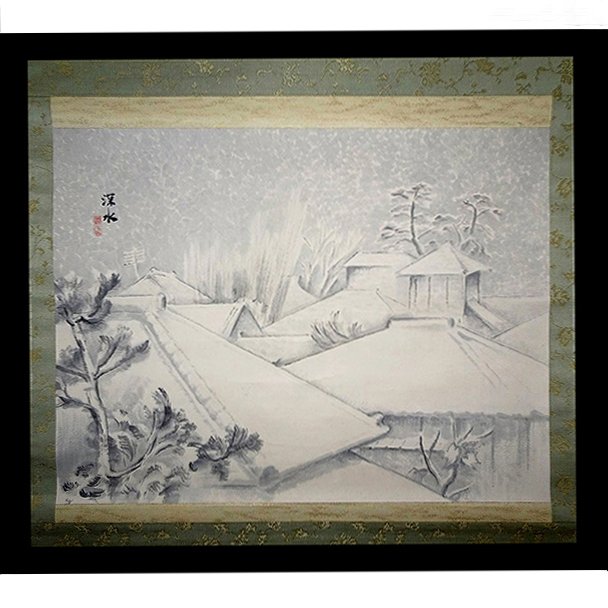
Village in Snow
Ito Shinsui (1898–1972)
MEDIUM: Ink on paper
DATE: March, 1920
DIMENSIONS: 18 × 24 inches (image)
CONDITION: Excellent
SOLD
Contact us to purchase
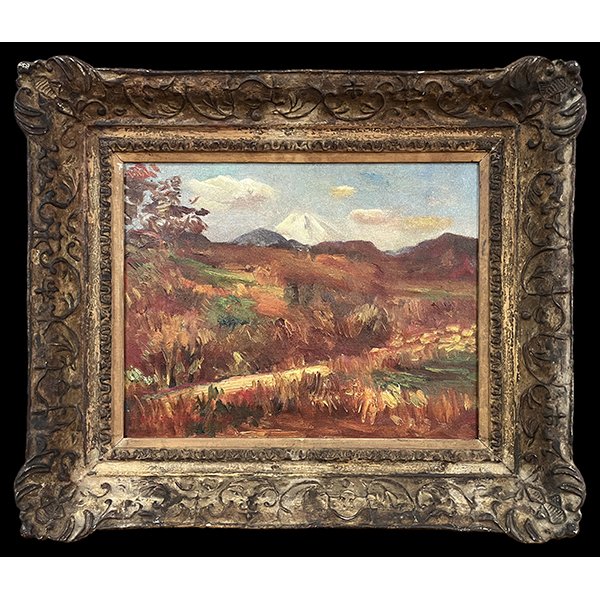
Mt. Fuji from Hachioji
Okiie Hashimoto (1899-1993)
MEDIUM: Oil on canvas
DATE: 1938
DIMENSIONS: 12 ½ x 16 1/3 inches (canvas size)
CONDITION: Excellent, no problems on painting to note. Some scuffing to the frame.
SOLD
Contact us to purchase
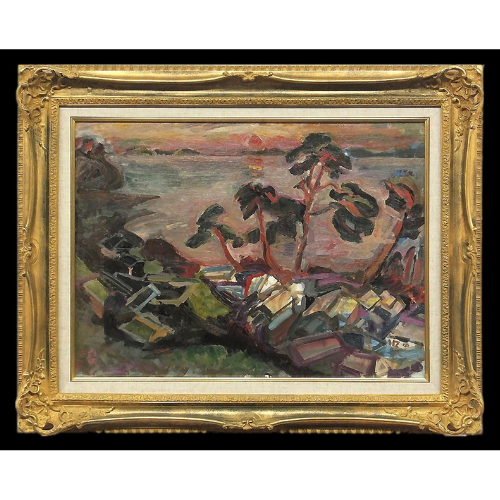
Sunrise on Shinojima
Shigeru Morita (1907–2009)
MEDIUM: Oil on canvas
DATE: c. 1935
DIMENSIONS: 18 × 23 3/4 inches
NOTE: Framed
$3,500.00
Contact us to purchase

Autumn Colors of Oku-Nikko
Okubo Sakujiro (1890–1973)
MEDIUM: Oil on canvas
DATE: c. 1930s
DIMENSIONS: 12 ½ x 16 ¾ inches
$3,000.00
Contact us to purchase
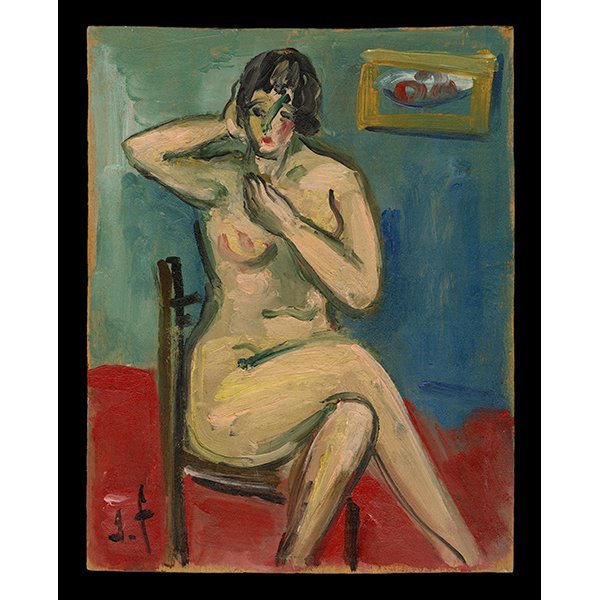
Nude
Ichiro Fukui
MEDIUM: Oil on panel
DATE: c. 1930s
DIMENSIONS: 10 3/4 x 8 3/4 inches
CONDITION: No condition problems to note
NOTE: Full Signature on reverse
$1,500.00
Contact us to purchase
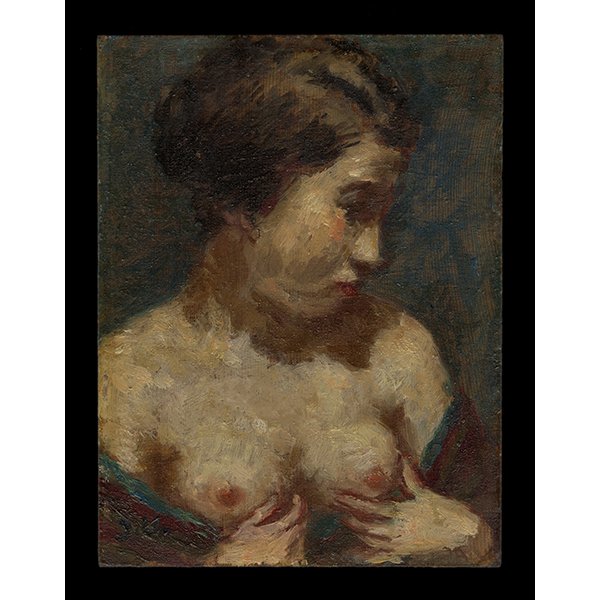
Portrait of a Woman
Iwao Uchida (1887–1977)
MEDIUM: Oil on panel
DATE: c. 1935
DIMENSIONS: 7 × 5 ¾ inches
NOTE: Framed
$3,000.00
Contact us to purchase
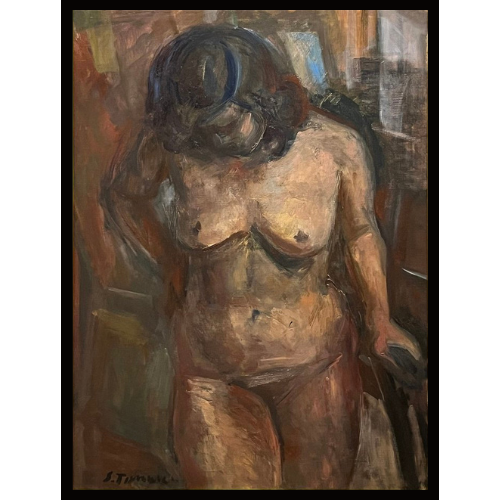
Nude
Saichiro Tanaka (1900-1967)
MEDIUM: Oil on canvas
DATE: c. 1930s
DIMENSIONS: 28 × 20 ½ inches (canvas size)
CONDITION: Excellent, no problems to note
NOTE: Framed
$25,000.00
Contact us to purchase

Seaside
Saichiro Tanaka (1900-1967)
MEDIUM: Oil on canvas
DATE: c. 1950s
DIMENSIONS: 18 × 20 1/2 inches (canvas size)
CONDITION: Excellent, no problems to note
NOTE: Framed
$10,000.00
Contact us to purchase
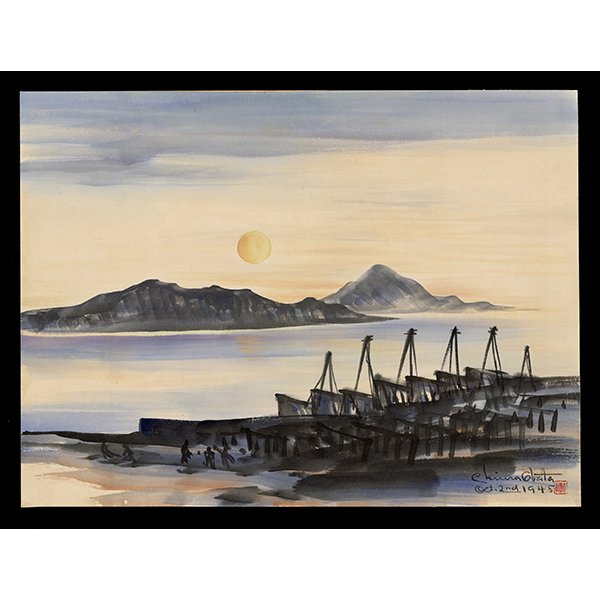
Rising Moon, Sausalito
Chiura Obata (1885-1975)
MEDIUM: Sumi, pigment on paper
DATE: October 2, 1945
DIMENSIONS: 14 3/8 × 19 3/8
CONDITION: Excellent, no problems to note
PROVENANCE: Obata Family Collection
SOLD
Contact us to purchase
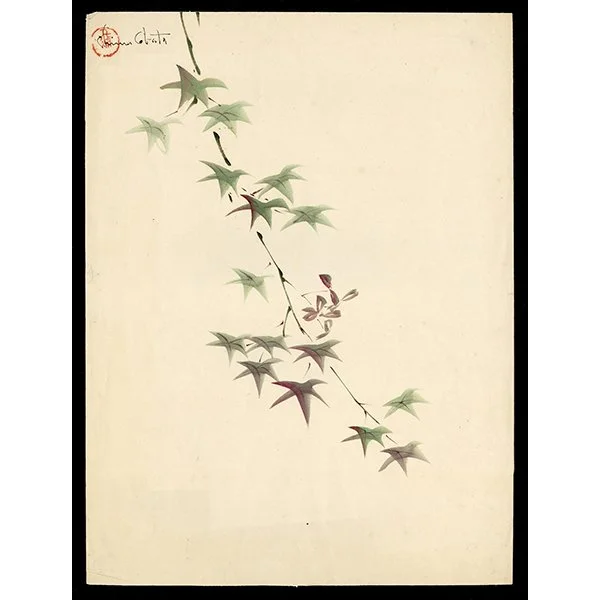
Autumn Maple
Chiura Obata (1885-1975)
MEDIUM: Sumi and mineral pigment on paper
DATE: 20th Century
DIMENSIONS: 20 ¾ x 15 ½ inches
CONDITION: Small crease at top left corner; light creasing to paper at edge; small tear at right margin
NOTE: Signed and sealed at top right
PROVENANCE: Purchased from Obata’s next-door neighbor in Berkeley, CA
SOLD
Contact us to purchase
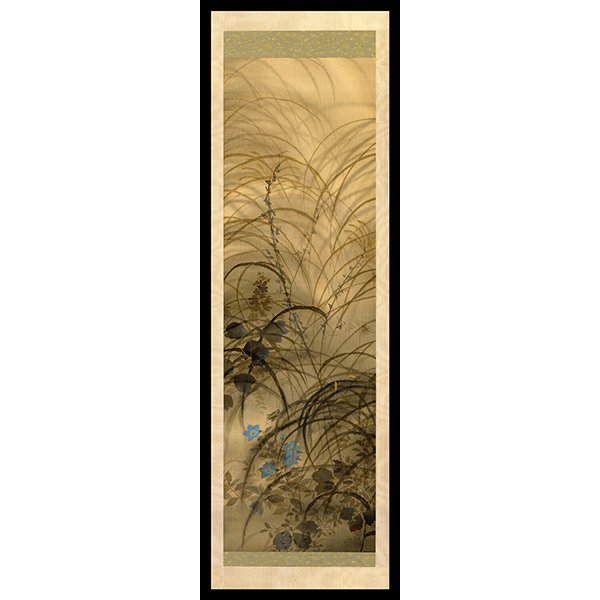
Late Summer Grasses
Natori Shunsen (1886-1960)
MEDIUM: Pigment on silk
DATE: 20th Century
DIMENSIONS: 45 x 14 inches (image); 75 ×19 inches (mount)
CONDITION: Excellent, no condition issues to note
$4,500.00
Contact us to purchase
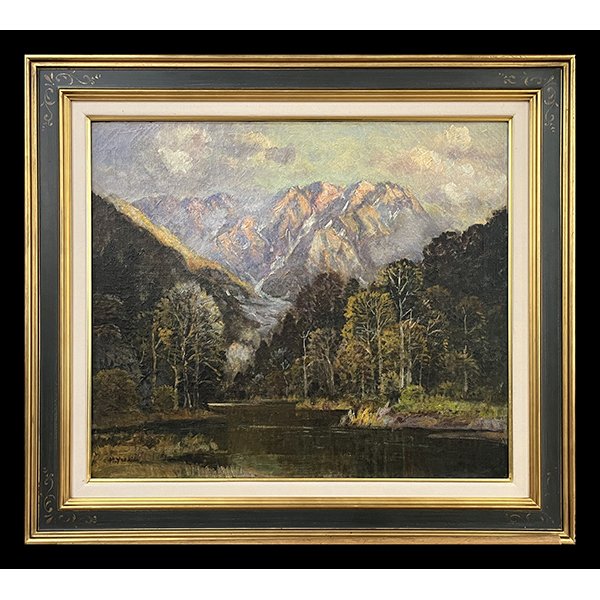
Hodakayama
Hiroshi Yoshida (1876-1950)
MEDIUM: Oil on canvas
DATE: 20th Century
DIMENSIONS: 18 × 20 ½ (canvas size)
SOLD
Contact us to purchase
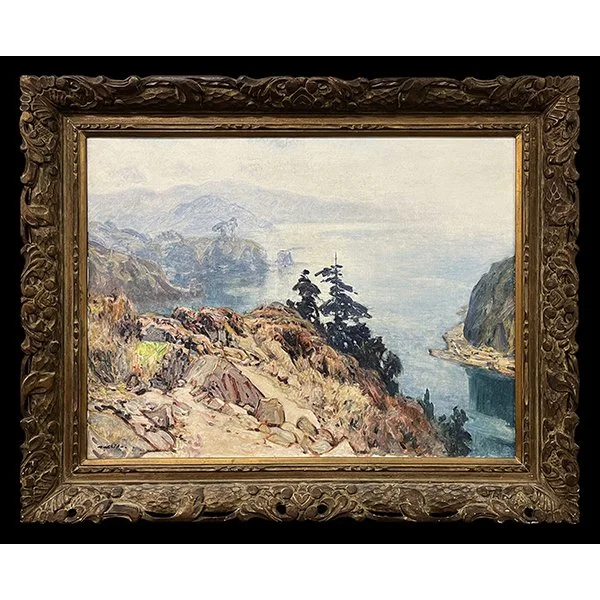
Sea of Light (Japanese Inland Sea)
Hiroshi Yoshida (1876-1950)
MEDIUM: Oil on canvas
DATE: 20th Century
DIMENSIONS: 24 × 32 inches (canvas size)
SOLD
Contact us to purchase
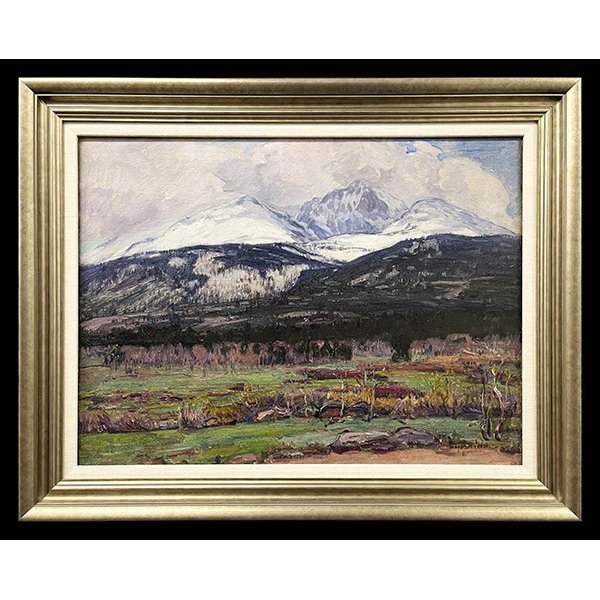
Estes Park, Colorado
Hiroshi Yoshida (1876-1950)
MEDIUM: Oil on canvas
DATE: 20th Century
DIMENSIONS: 18 × 24 inches (canvas size)
SOLD
Contact us to purchase

Mt. Yarigatake
Hiroshi Yoshida (1876-1950)
MEDIUM: Oil on canvas
DATE: 20th Century
DIMENSIONS: 24 × 18 inches (canvas size)
SOLD
Contact us to purchase
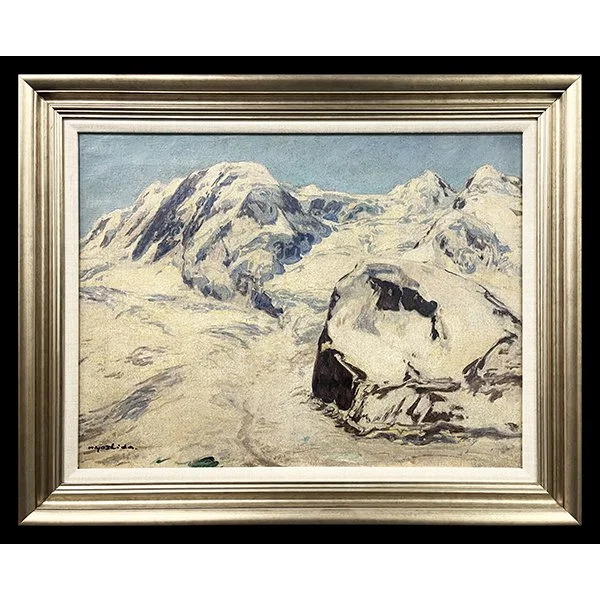
Mt. Rosa and Monta Rosa Glacier from Gornergrat, Wallis, Switzerland
Hiroshi Yoshida (1876-1950)
MEDIUM: Oil on canvas
DATE: 20th Century
DIMENSIONS: 18 × 24 inches (canvas size)
SOLD
Contact us to purchase
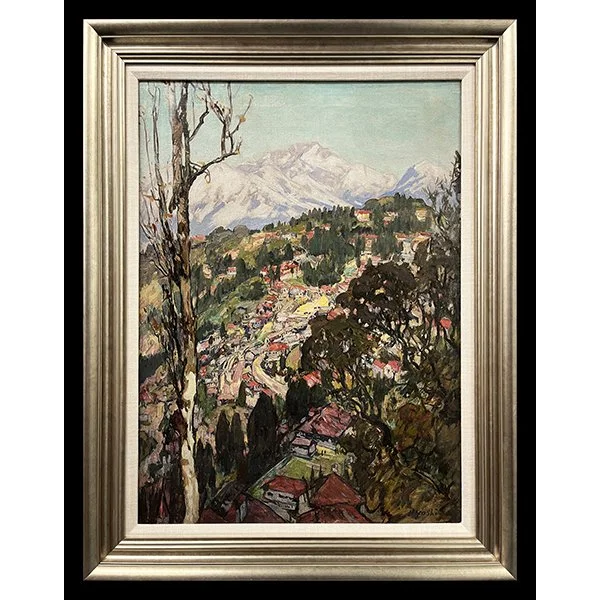
Darjeeling (Mt. Kangchenjunga in the Distance)
Hiroshi Yoshida (1876-1950)
MEDIUM: Oil on canvas
DATE: 20th Century
DIMENSIONS: 24 × 18 inches (canvas size)
SOLD
Contact us to purchase

Pathway to the Summit, Fujiyama (Scroll)
Hiroshi Yoshida (1876–1950)
DATE: c.1940s
MEDIUM: Sumi on silk
DIMENSIONS: 83 x 22 inches (entire scroll); 49 x 16 1/4 (image) inches
CONDITION: Excellent
NOTE: Mounted as a kakemono scroll
$6,500.00
Contact us to purchase
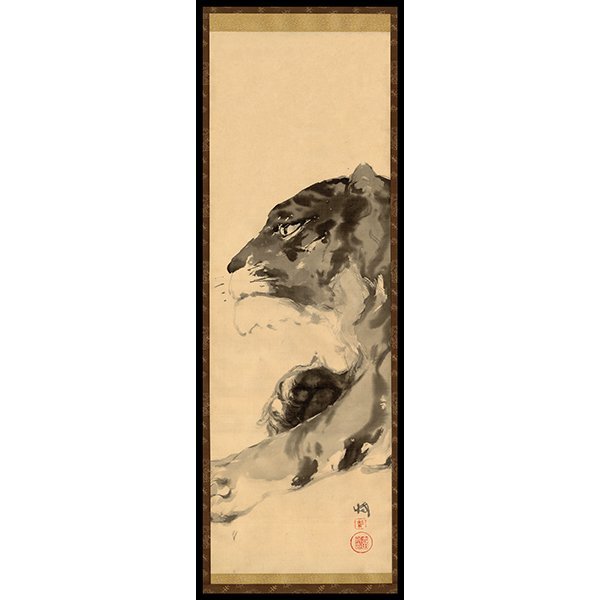
Tiger in Repose
Hiroshi Yoshida (1876-1950)
DATE: c.1950
MEDIUM: Sumi on silk
DIMENSIONS: 76 x 18 1/2 inches (entire scroll); 41 x 13 1/2 (image) inches
CONDITION: Excellent
NOTE: Mounted as a kakemono scroll
SOLD
Contact us to purchase
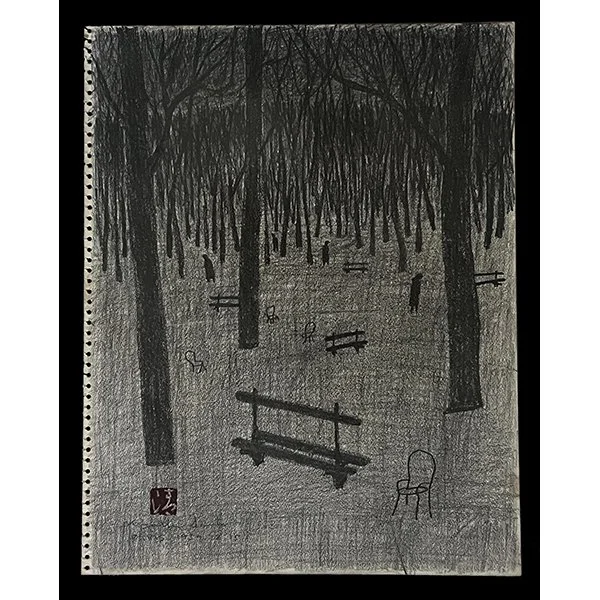
Paris
Kiyoshi Saito (1907-1997)
MEDIUM: Sumi, pigment on paper
DATE: 1959
DIMENSIONS: 16 ½ x 13 inches
CONDITION: Excellent
NOTE: Drawing originated from artist’s sketch book
SOLD
Contact us to purchase
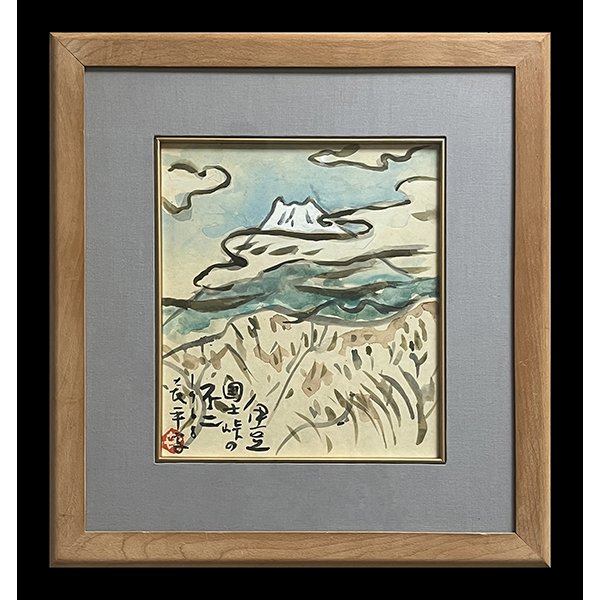
Mt. Fuji
Kihei Sasajima (1906-1993)
MEDIUM: Sumi and mineral pigment on paper
DATE: 20th Century
DIMENSIONS: 10 1/2 x 9 1/4 inches (board size)
CONDITION: Excellent, no problems to note
SOLD
Contact us to purchase
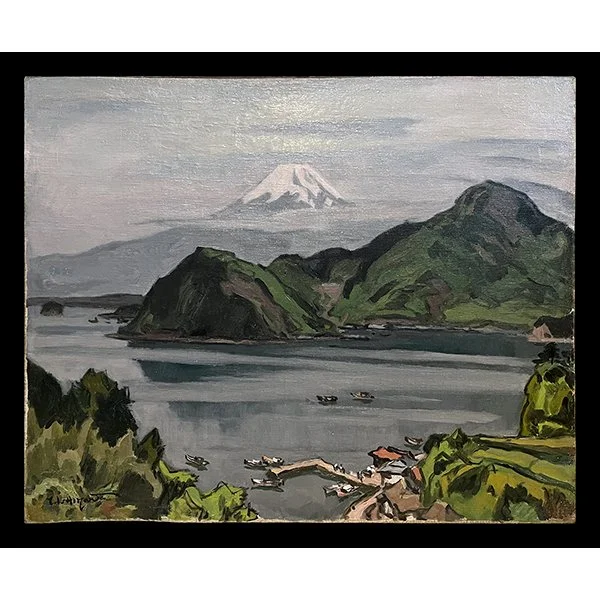
Mt. Fuji
Toraji Ishikawa (1875-1964)
MEDIUM: Oil on artist’s board
DATE: 20th Century
DIMENSIONS: 18 × 21 inches
CONDITION: Excellent, no problems to note
$3,000.00
Contact us to purchase
c.1905
SOLD
Portrait of a Woman
Hakutei Ishii (1881–1958)
MEDIUM: Oil on panel
DATE: c. 1905
DIMENSIONS: 13 × 9 1/2 inches (image)
NOTE: Framed
SOLD
Contact us to purchase