

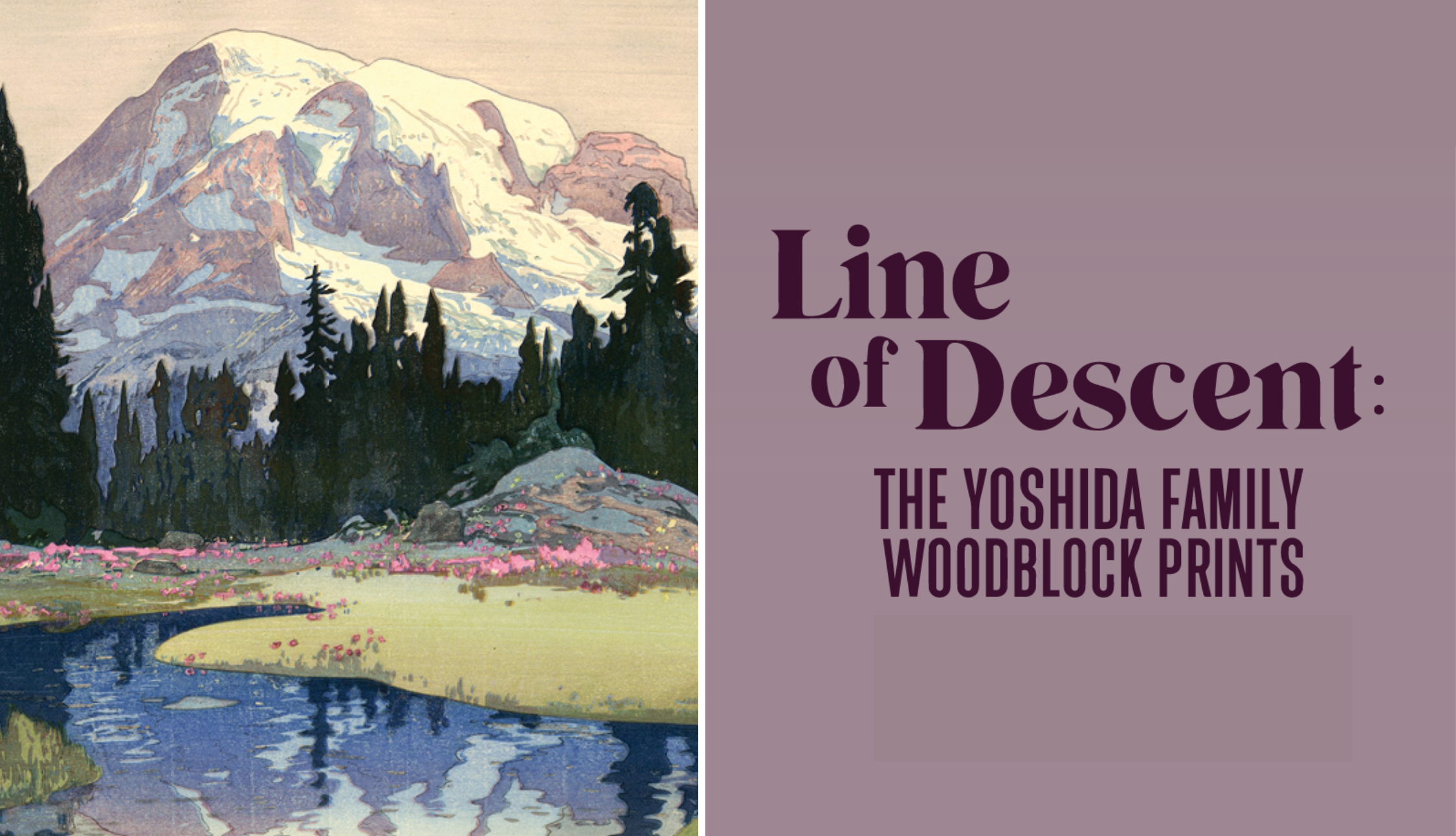
LINE OF DESCENT
The Yoshida Family Woodblock Prints
Few families in the history of Japanese art have exerted as sustained or consequential an influence on modern printmaking as the Yoshida family. Across generations, the Yoshidas transformed the woodblock print from within—preserving its extraordinary traditions of craftsmanship while continually testing the boundaries of subject, technique, and artistic expression. Bringing together woodblock prints, drawings, and paintings by Hiroshi, Fujio, Toshi, Hodaka, and Chizuko Yoshida, this exhibition traces an artistic lineage remarkable not simply for its longevity, but for the independence of vision demonstrated by each generation.
At the head of this extraordinary family stands Hiroshi Yoshida (1876–1950), one of the towering figures of twentieth-century Japanese printmaking. Trained as a Western-style painter, Hiroshi brought to the woodblock both a painter’s sensitivity and an exacting commitment to craftsmanship. After an early association with Shōzaburō Watanabe, he established his own studio, exercising unusual control over the carving and printing of his designs. His luminous landscapes, mountains, temples, and harbors combined the technical refinement of shin hanga with a distinctly personal vision, while his extensive travels throughout Asia, Europe, and America established an international outlook that would become an important part of the Yoshida family inheritance.
The strength of that inheritance, however, lay not in imitation but in reinvention. Fujio Yoshida (1887–1987) transformed close observation of flowers into bold compositions that often approach abstraction, while Toshi Yoshida (1911–1995) moved from the naturalism of his father’s tradition toward abstraction and an increasingly independent postwar vision. Hodaka Yoshida (1926–1995) departed still further, embracing photography, unconventional textures, collage-like effects, and elements of Pop Art. Chizuko Yoshida (1924–2017) extended this spirit of experimentation through works ranging from lyrical representations of nature to sophisticated abstraction. Each inherited a profound respect for the medium while refusing to be confined by the achievements of the generation before.
Seen together, their work charts a remarkable passage through twentieth-century Japanese printmaking—from the painterly naturalism and technical virtuosity associated with shin hanga to the increasingly individualistic and experimental language of the postwar period. Across landscapes, botanical studies, abstraction, photography, and Pop-inflected imagery, the woodblock remained remarkably receptive to new ideas without surrendering the craftsmanship upon which its long history had been built.
What passed from one Yoshida generation to the next, then, was not a recognizable style so much as a way of approaching art: a belief in craftsmanship, curiosity, independence, and the seemingly limitless possibilities of the printed image. Hiroshi established the standard, but his descendants made that inheritance their own—preserving tradition not by repeating it, but by continually finding new ways to transform it.
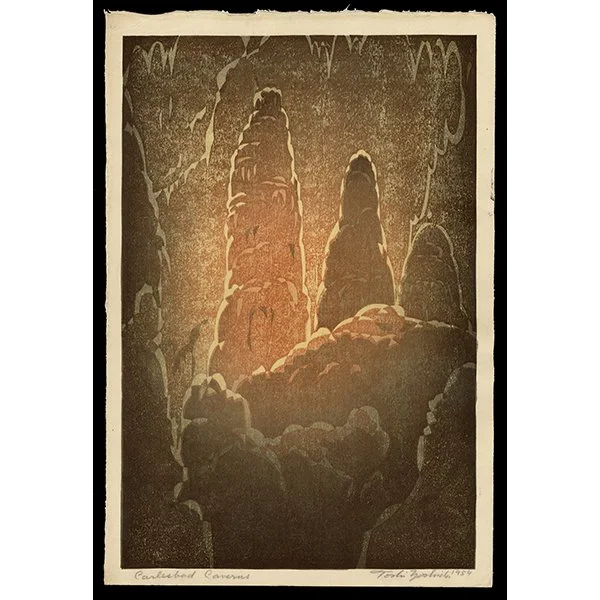
ARTIST: Toshi Yoshida (1911-1995)
TITLE: Carlsbad Caverns
MEDIUM: Woodblock
DATE: 1954
DIMENSIONS: 16 x 10 3/4 inches
CONDITION: Pristine—no problems to note
NOTE: Rare lifetime impression with live signature in pencil
PROVENANCE: Yoshida Family Collection
SOLD

Mt. Rainier in Winter
Toshi Yoshida (1911-1995)
MEDIUM: Woodblock Print
DATE: 1972
DIMENSIONS: 14 3/8 x 21 3/4 inches
CONDITION: Pristine—no problems to note
NOTE: Rare lifetime impression with live signature in pencil
PROVENANCE: Yoshida Family Collection
SOLD
Contact us to purchase

Nude
Toshi Yoshida (1911-1995)
MEDIUM: Woodblock Print
DATE: 1954
DIMENSIONS: 16 x 10 1/2 inches
CONDITION: Excellent, no problems to note
SOLD
Contact us to purchase

Iidibashi
Toshi Yoshida (1911-1995)
MEDIUM: Woodblock Print
DATE: 1939
DIMENSIONS: 8 x 10 1/2 inches
CONDITION: Excellent, no condition problems to note
NOTE: Early, lifetime impression with pencil signature
MEDIA: This work and the artist’s series was discussed on Woodblock Wednesday, Episode 70
$800.00
Contact us to purchase
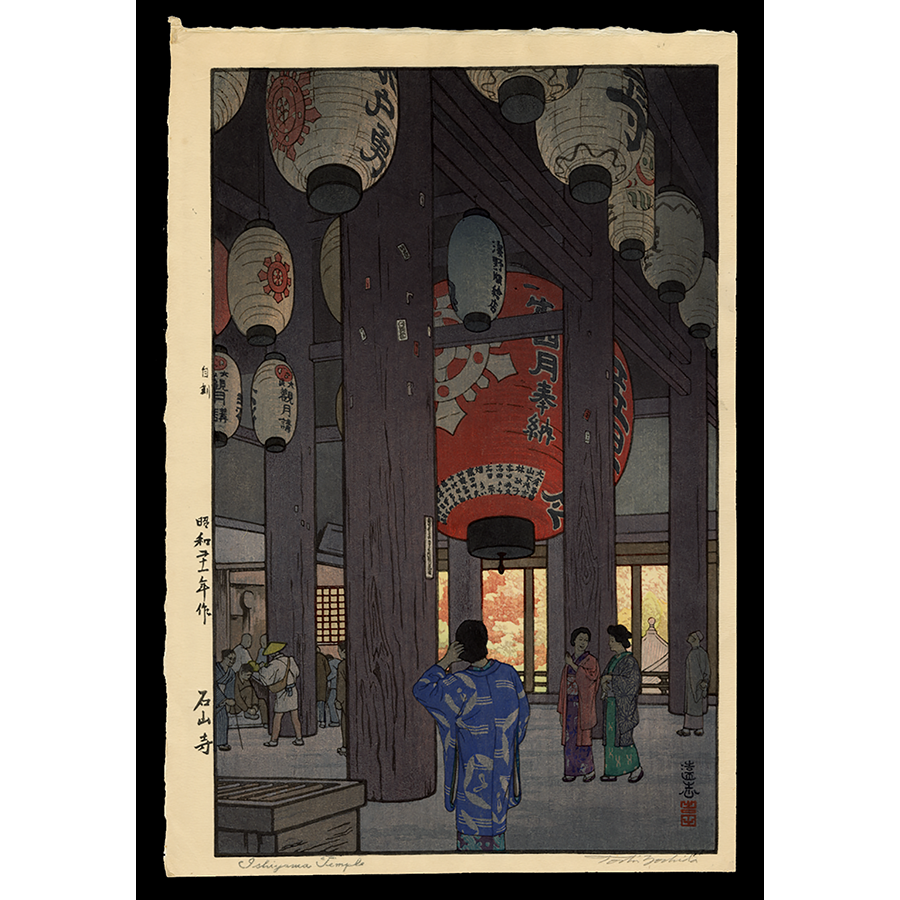
Ishiyama Temple
Toshi Yoshida (1911-1995)
MEDIUM: Woodblock Print
DATE: 1946
DIMENSIONS: 15 3/4 x 10 3/4 inches
CONDITION: Excellent, no condition problems to note
NOTE: Early, lifetime impression with pencil signature
SOLD
Contact us to purchase
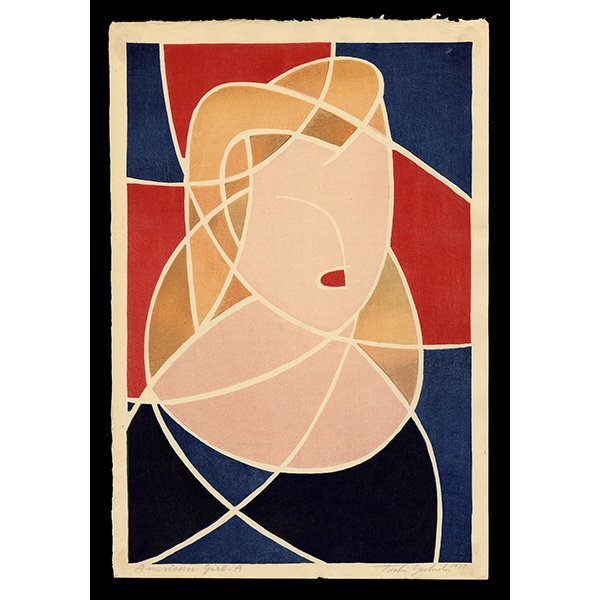
American Girl A
Toshi Yoshida (1911-1995)
MEDIUM: Woodblock Print
DATE: 1954
DIMENSIONS: 16 x 10 1/2 inches
CONDITION: Excellent, small nick at bottom margin
SOLD
Contact us to purchase

Pathway to the Summit, Fujiyama (Scroll)
Hiroshi Yoshida (1876–1950)
DATE: c.1940s
MEDIUM: Sumi on silk
DIMENSIONS: 83 x 22 inches (entire scroll); 49 x 16 1/4 (image) inches
CONDITION: Excellent
NOTE: Mounted as a kakemono scroll
$6,500.00
Contact us to purchase
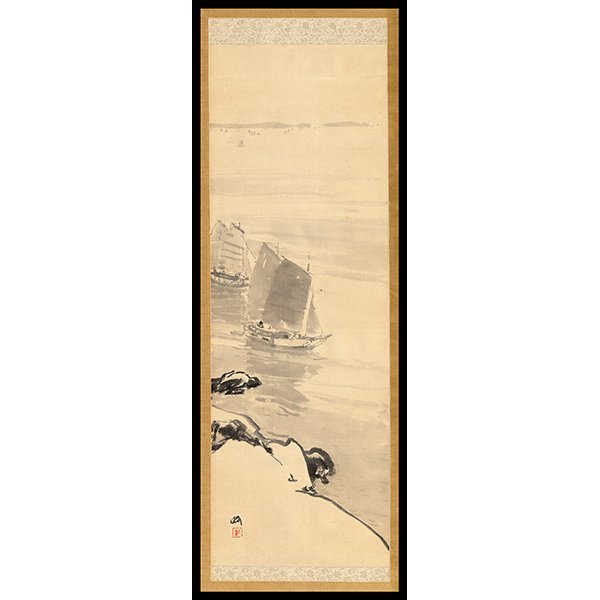
Sailing Boats, Winter (Scroll)
Hiroshi Yoshida (1876-1950)
DATE: c.1930s
MEDIUM: Sumi on silk
DIMENSIONS: 73 x 21 inches (scroll with mounts); 44 x 15 inches (image)
CONDITION: Excellent
NOTE: Mounted as a kakemono scroll
SOLD
Contact us to purchase
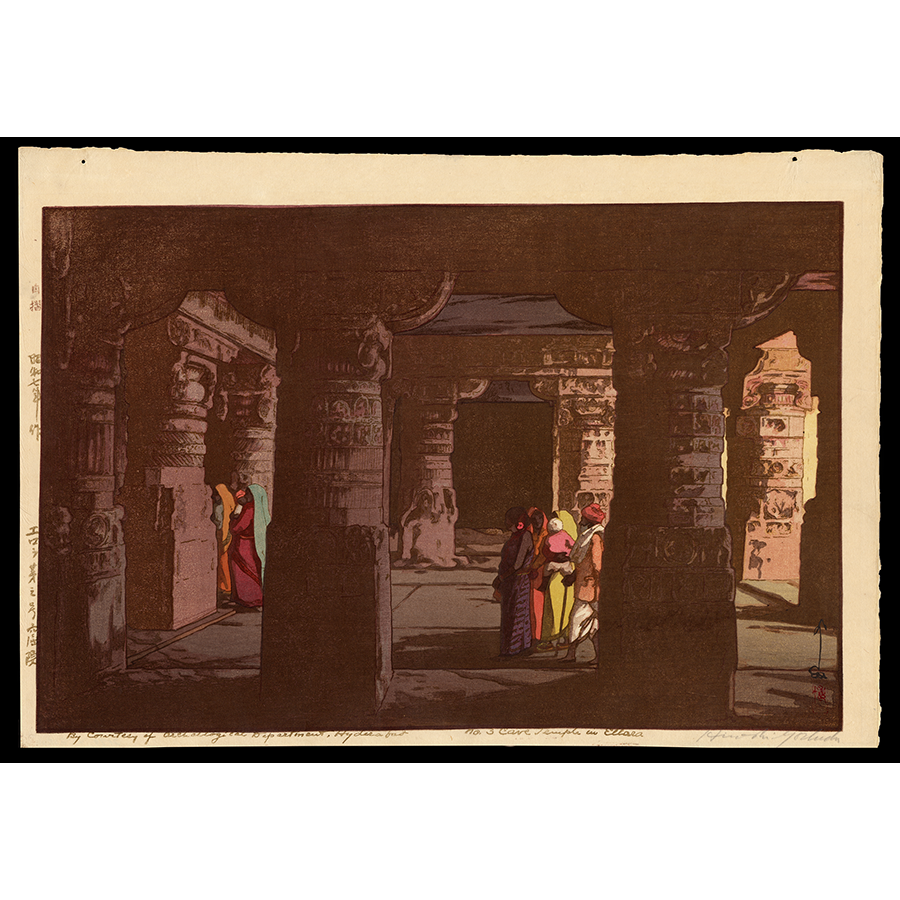
No. 3 Cave Temple in Ellora
Hiroshi Yoshida (1876-1950)
SERIES: India, Southeast Asia
MEDIUM: Woodblock Print
DATE: 1932
DIMENSIONS:
CONDITION: No condition problems to note
NOTE: Astonishing use of light and shadow;brush and pencil signature; Jizuri seal
LITERATURE: Ogura, Yoshida Hiroshi Zenhangashu (The Complete Woodblock Prints of Hiroshi Yoshida), Abe Shuppan, Tokyo, 1987, pl. 178
SOLD
Contact us to purchase
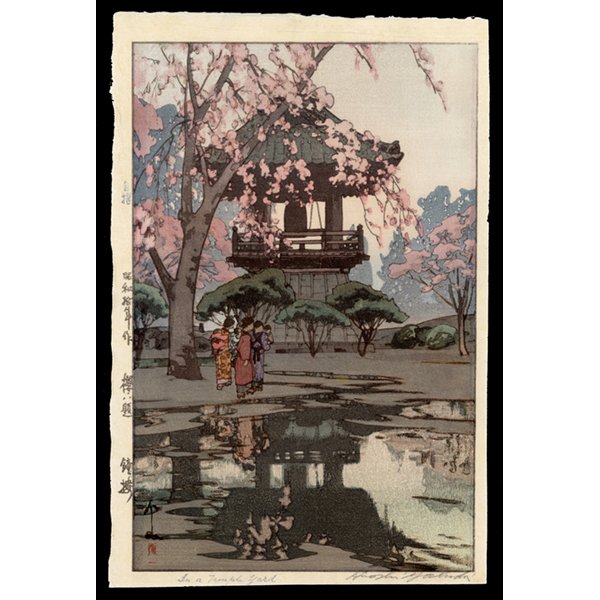
In A Temple Yard
Hiroshi Yoshida (1876-1950)
SERIES: Eight Views of Cherry Blossoms
MEDIUM: Woodblock Print
DATE: 1935
DIMENSIONS: 15 7/8 x 10 5/8 inches
CONDITION: Excellent, no condition problems to note
LITERATURE: Ogura, Yoshida Hiroshi Zenhangashu (The Complete Woodblock Prints of Hiroshi Yoshida), Abe Shuppan, Tokyo, 1987, pl. 197
SOLD
Contact us to purchase
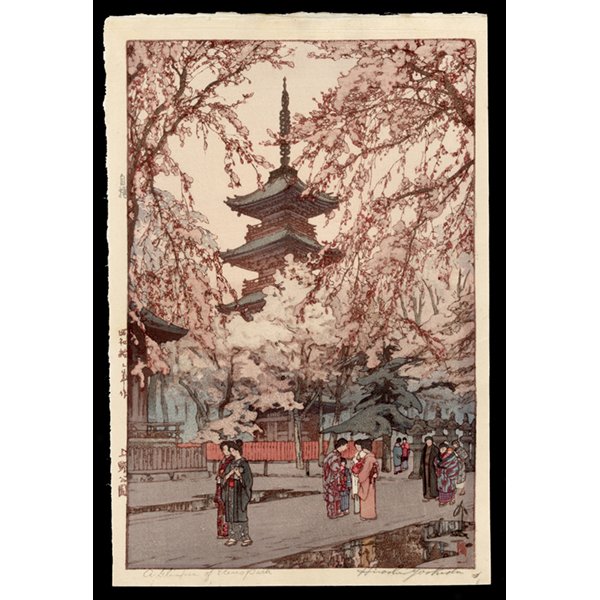
ARTIST: Hiroshi Yoshida (1876-1950)
TITLE: A Glimpse of Ueno Park
MEDIUM: Woodblock
DATE: 1937
DIMENSIONS: 15 7/8 x 10 5/8 inches
CONDITION: Excellent, no condition problems to note
LITERATURE: Ogura, Yoshida Hiroshi Zenhangashu (The Complete Woodblock Prints of Hiroshi Yoshida), Abe Shuppan, Tokyo, 1987, pl. 218
SOLD

Kameido Bridge
Hiroshi Yoshida (1876-1950)
DATE: 1927
MEDIUM: Woodblock Print
DIMENSIONS: 16 1/8 x 11 inches
CONDITION: Excellent, no condition problems to note
LITERATURE: Ogura, Yoshida Hiroshi Zenhangashu (The Complete Woodblock Prints of Hiroshi Yoshida), Abe Shuppan, Tokyo, 1987, pl. 62
SOLD
Contact us to purchase
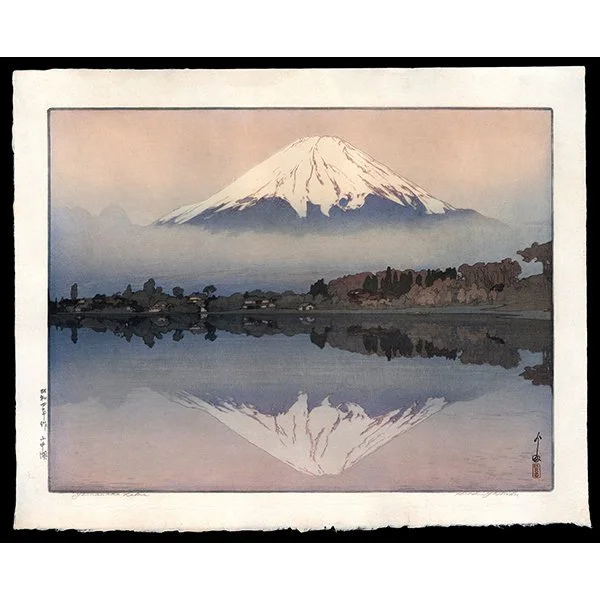
Yamanaka Lake
Hiroshi Yoshida (1876-1950)
ARTIST: Hiroshi Yoshida (1876-1950)
TITLE: Yamanaka Lake
MEDIUM: Woodblock Print
DATE: 1929
DIMENSIONS: 21 3/4 x 27 inches
CONDITION: Light soiling and rubbing at top margin
LITERATURE: Ogura, Yoshida Hiroshi Zenhangashu (The Complete Woodblock Prints of Hiroshi Yoshida), Abe Shuppan, Tokyo, 1987, pl.118
MEDIA: This print was discussed on Woodblock Wednesday Epsiode 98
SOLD
Contact us to purchase
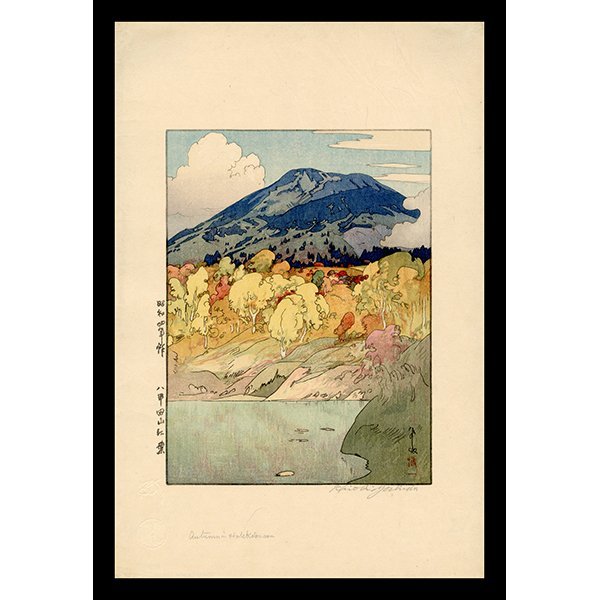
Autumn in Hakkodasan
Hiroshi Yoshida (1876–1950)
DATE: 1929
MEDIUM: Woodblock Print
DIMENSIONS: 15 1/2 x 10 3/8 inches
CONDITION: Pristine, no condition problems to note
PROVENANCE: Yoshida Family Collection
NOTE: Rare early trial printing; pencil signature—lifetime impression; this design was never issued with a Jizuri seal
SOLD
Contact us to purchase
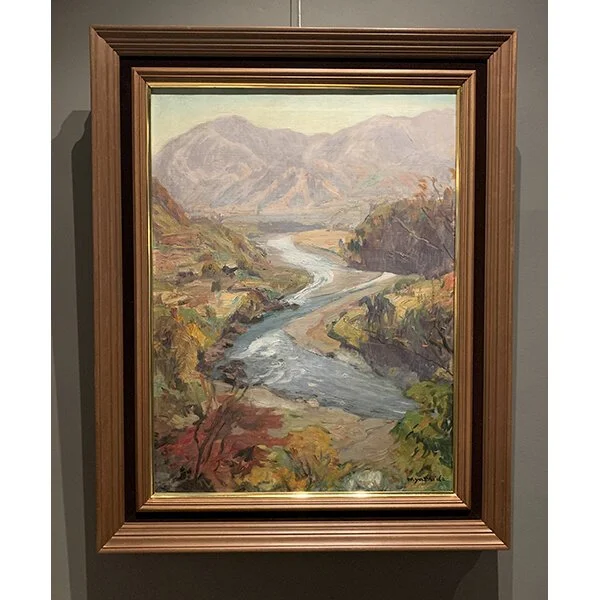
Mountain and Stream
Hiroshi Yoshida (1876-1950)
MEDIUM: Oil on canvas
DATE: c. 1930
DIMENSIONS: 24 x 19 (canvas size); 29 1/2 x 24 inches (with frame)
CONDITION: Excellent, no problems to note
NOTE: Exceedingly rare original work executed as an oil on canvas
MEDIA: This work was discussed on Woodblock Wednesday, Episode 72
SOLD
Contact us to purchase
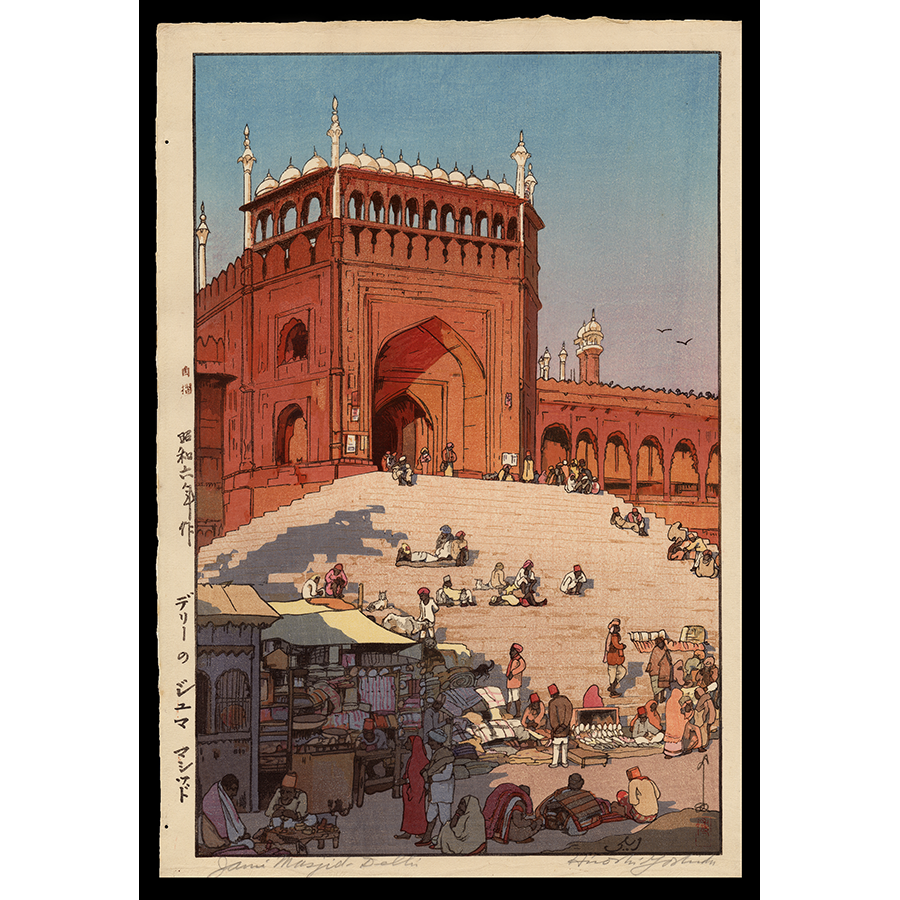
Jama Masjid, Delhi
Hiroshi Yoshida (1876-1950)
SERIES: India, Southeast Asia
MEDIUM: Woodblock Print
DATE: 1931
DIMENSIONS: 16 1/4 x 10 7/8 inches
CONDITION: No condition problems to note
NOTE: Brush and pencil signature; Jizuri seal
LITERATURE: Ogura, Yoshida Hiroshi Zenhangashu (The Complete Woodblock Prints of Hiroshi Yoshida), Abe Shuppan, Tokyo, 1987, pl. 157
SOLD
Contact us to purchase

Fujiyama, First Light of Dawn
Hiroshi Yoshida (1876-1950)
MEDIUM: Woodblock print
DATE: 1926
DIMENSIONS: 23 1/8 x 29 5/8 inches
CONDITION: Excellent; faint toning to margins and on reverse
LITERATURE:Ogura, Yoshida Hiroshi Zenhangashu (The Complete Woodblock Prints of Hiroshi Yoshida), Abe Shuppan, Tokyo, 1987, pl.48
MEDIA: This print was discussed on Woodblock Wednesday Episode 98
$35,000.00
Contact us to purchase
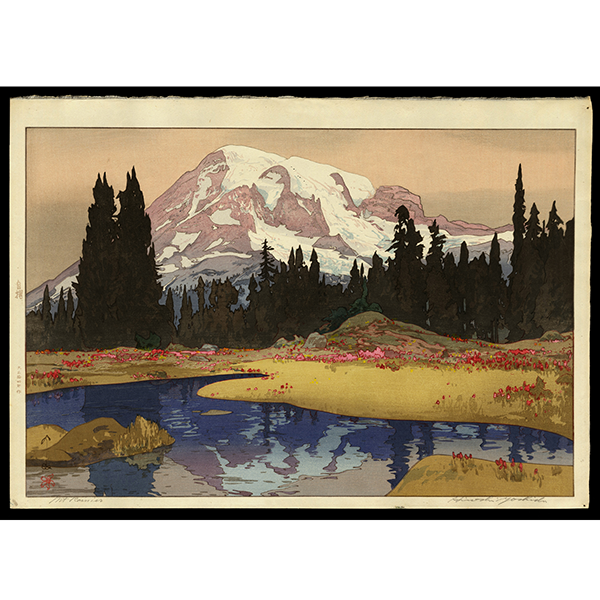
Mt. Rainier
Hiroshi Yoshida (1876-1950)
SERIES: North America
MEDIUM: Woodblock Print
DATE: 1925
DIMENSIONS: 15 1/2 X 21 inches
CONDITION: Pristine! Razor sharp impression and fresh colors. No condition problems to note.
LITERATURE: Ogura, Yoshida Hiroshi Zenhangashu (The Complete Woodblock Prints of Hiroshi Yoshida), Abe Shuppan, Tokyo, 1987, pl. 13
SOLD
Contact us to purchase
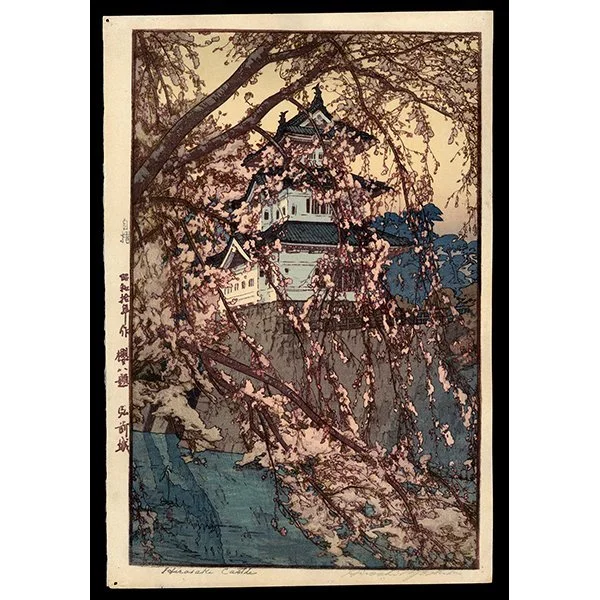
Hirosaki Castle
Hiroshi Yoshida (1876-1950)
MEDIUM: Woodblock Print
DATE: 1935
DIMENSIONS: 15 3/4 x 10 5/8 inches
CONDITION: Excellent; no problems to note
LITERATURE: Ogura, Yoshida Hiroshi Zenhangashu (The Complete Woodblock Prints of Hiroshi Yoshida), Abe Shuppan, Tokyo, 1987, pl.192
SOLD
Contact us to purchase

Evening in Nara
Hiroshi Yoshida (1876-1950)
DATE: 1933
MEDIUM: Woodblock Print
DIMENSIONS: 16 1/8 x 11 inches
CONDITION: Excellent, no condition problems to note
LITERATURE: Ogura, Yoshida Hiroshi Zenhangashu (The Complete Woodblock Prints of Hiroshi Yoshida), Abe Shuppan, Tokyo, 1987, pl. 185
SOLD
Contact us to purchase
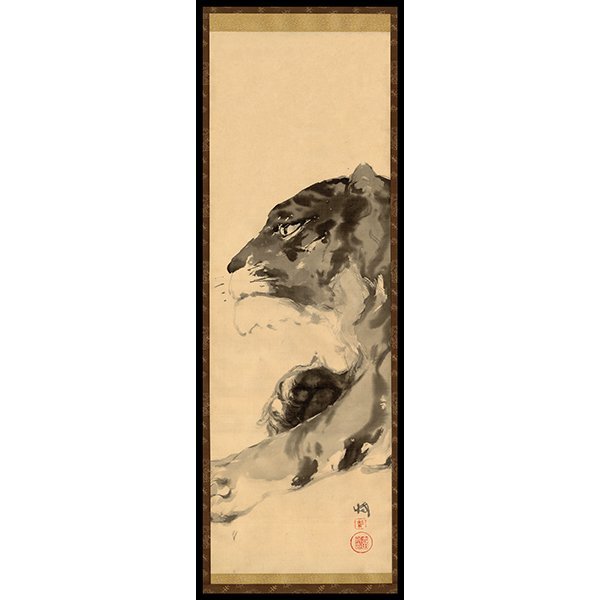
Tiger in Repose
Hiroshi Yoshida (1876-1950)
DATE: c.1950
MEDIUM: Sumi on silk
DIMENSIONS: 76 x 18 1/2 inches (entire scroll); 41 x 13 1/2 (image) inches
CONDITION: Excellent
NOTE: Mounted as a kakemono scroll
SOLD
Contact us to purchase
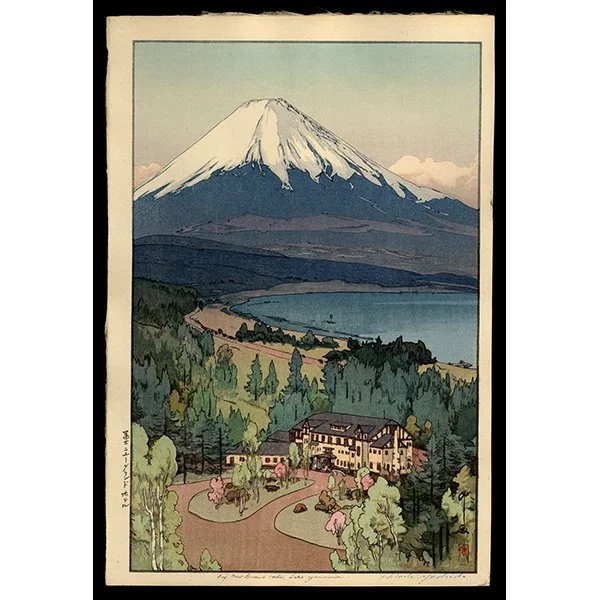
Fuji New Grand Hotel, Lake Yamanaka
Hiroshi Yoshida (1876-1950)
MEDIUM: Woodblock Print
DATE: 1937
DIMENSIONS: 16 x 10 3/4 inches
CONDITION: Excellent; no problems to note
LITERATURE: Ogura, Yoshida Hiroshi Zenhangashu (The Complete Woodblock Prints of Hiroshi Yoshida), Abe Shuppan, Tokyo, 1987, pl.255
MEDIA: This print was discussed on Woodblock Wednesday Epsiode 98
SOLD
Contact us to purchase
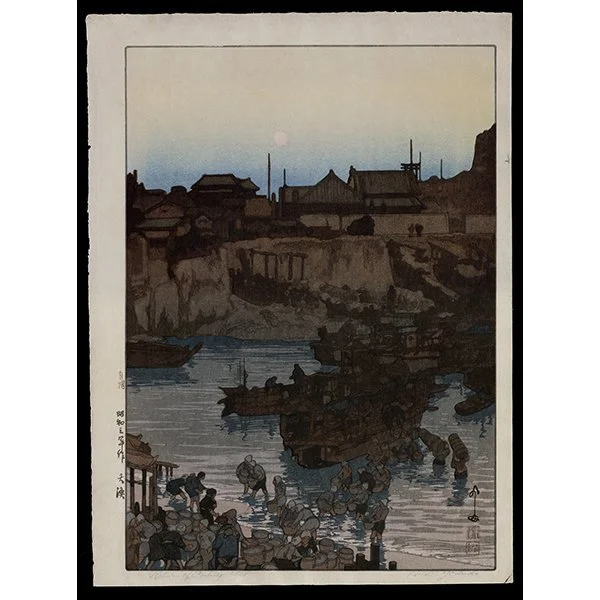
Return of Fishing Fleet
Hiroshi Yoshida (1876-1950)
MEDIUM: Woodblock Print
DATE: 1928
DIMENSIONS: 22 x 16 1/8 inches
CONDITION: Excellent; light soiling to margins
LITERATURE: Ogura, Yoshida Hiroshi Zenhangashu (The Complete Woodblock Prints of Hiroshi Yoshida), Abe Shuppan, Tokyo, 1987, pl.105
SOLD
Contact us to purchase
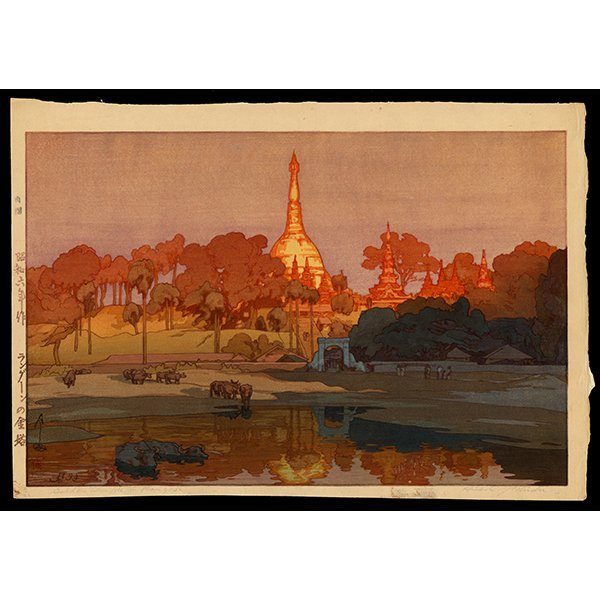
Golden Pagoda in Rangoon
Hiroshi Yoshida (1876-1950)
MEDIUM: Woodblock Print
DATE: 1931
DIMENSIONS: 11 1/2 x 16 inches
CONDITION: Excellent, light soiling to margins
LITERATURE: Ogura, Yoshida Hiroshi Zenhangashu (The Complete Woodblock Prints of Hiroshi Yoshida), Abe Shuppan, Tokyo, 1987, pl.148
SOLD
Contact us to purchase
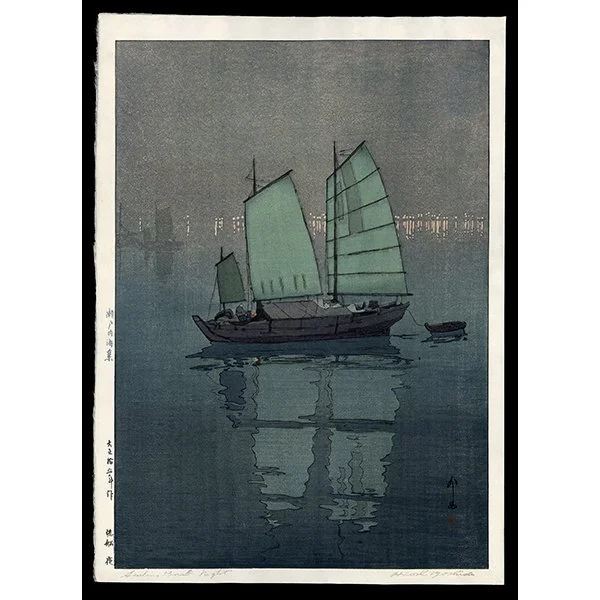
Sailing Boat, Night
Hiroshi Yoshida (1876-1950)
DATE: 1926
MEDIUM: Woodblock Print
DIMENSIONS: 21 1/2 x 15 1/2 inches
CONDITION: Excellent, no condition problems to note
NOTE: Posthumous edition
LITERATURE: Ogura, Yoshida Hiroshi Zenhangashu (The Complete Woodblock Prints of Hiroshi Yoshida), Abe Shuppan, Tokyo, 1987, pl. 45
SOLD
Contact us to purchase
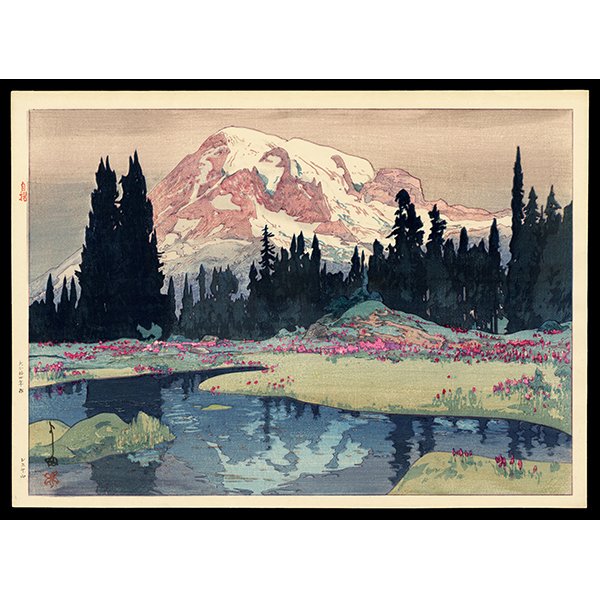
Mt. Rainier
Hiroshi Yoshida (1876-1950)
MEDIUM: Woodblock Print
DATE: 1925
DIMENSIONS: 15 1/2 x 21 inches
CONDITION: Excellent with sharp and vivid colors
LITERATURE: Ogura, Yoshida Hiroshi Zenhangashu (The Complete Woodblock Prints of Hiroshi Yoshida), Abe Shuppan, Tokyo, 1987, pl. 48
NOTE: Exceedingly rare early trial impression with large red jizuri seal and more expressive coloration
SOLD
Contact us to purchase
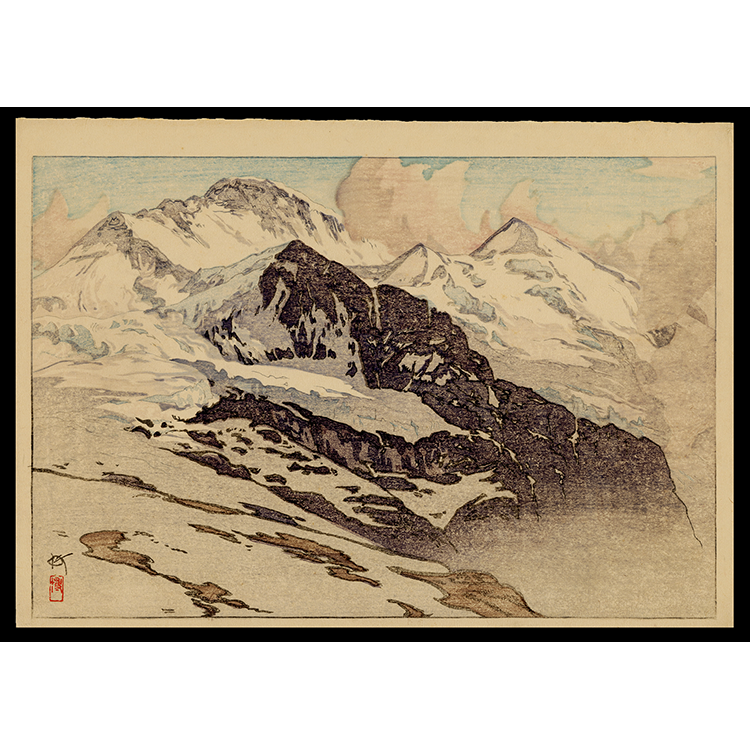
Jungfrau
Hiroshi Yoshida (1876-1950)
DATE: 1925
MEDIUM: Woodblock Print
DIMENSIONS: 11 x 15 3/4 inches
CONDITION: Pristine, no condition problems to note
NOTE: Trial printing with early script signature at lower-left corner
PROVENANCE: Yoshida Family Collection
SOLD
Contact us to purchase
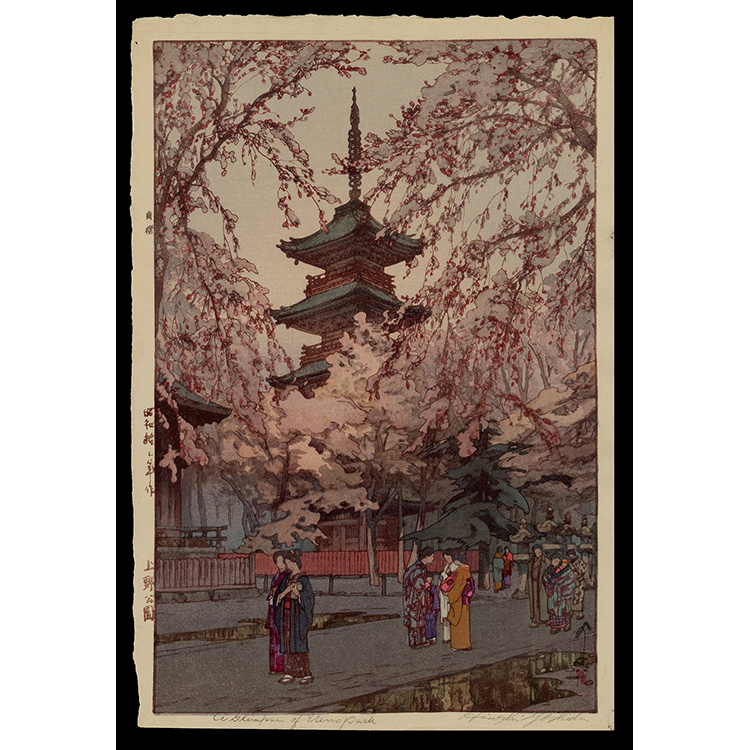
A Glimpse of Ueno Park
Hiroshi Yoshida (1876-1950)
DATE: 1937
MEDIUM: Woodblock Print
DIMENSIONS: 15 7/8 x 10 5/8 inches
CONDITION: Excellent, no condition problems to note
LITERATURE: Ogura, Yoshida Hiroshi Zenhangashu (The Complete Woodblock Prints of Hiroshi Yoshida), Abe Shuppan, Tokyo, 1987, pl. 218
SOLD
Contact us to purchase
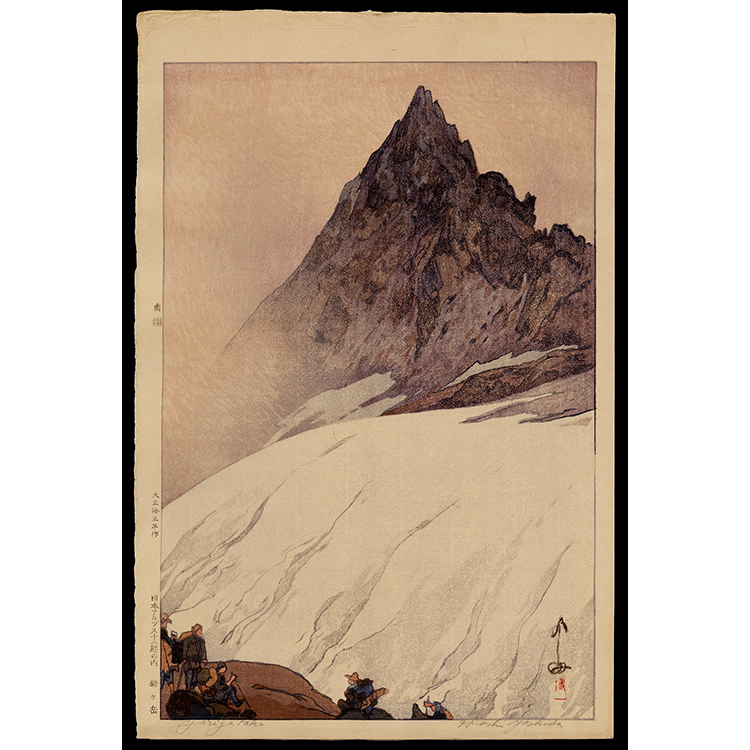
Yarigatake
Hiroshi Yoshida (1876-1950)
SERIES: Twelve Scenes in the Japan Alps
DATE: 1926
MEDIUM: Woodblock Print
DIMENSIONS: 16 3/8 x 10 3/8 inches
CONDITION: Faint soiling to front margin
LITERATURE: Ogura, Yoshida Hiroshi Zenhangashu (The Complete Woodblock Prints of Hiroshi Yoshida), Abe Shuppan, Tokyo, 1987, pl. 35
SOLD
Contact us to purchase
c. 1953
SOLD
Wisteria at Ushijima
Toshi Yoshida (1911-1995)
MEDIUM: Woodblock Print
DATE: c. 1953
DIMENSIONS: 10 ¾ x 15 ¾ inches
CONDITION: Excellent, no problems to note
NOTE: Pencil signature; lifetime impression
SOLD
Contact us to purchase