

WESTERN SAILS, EASTERN SKIES
Western Artists in Asia
Artistic influence rarely travels in a straight line. It crosses oceans, changes hands, and returns transformed. This exhibition explores one of the most fascinating of these cultural currents: the encounter between Western artists and the artistic traditions of Japan and Asia. Spanning more than a century, it brings together artists who came as travelers, expatriates, and long-term residents, discovering in Asia not merely compelling subjects, but visual traditions capable of transforming the way an image could be conceived and made.
The origins of this encounter reach back to the nineteenth-century Western discovery of ukiyo-e. The prints of Utamaro, Hokusai, and Hiroshige profoundly altered European and American ideas about composition, color, perspective, and the expressive possibilities of the flat picture plane. By the time Western artists began arriving in Japan in greater numbers, they were therefore encountering a culture whose art had already helped reshape their own. The winds of influence had crossed the oceans—and were now returning, transformed once again through a new generation of artists.
This circulation of ideas proved especially important during the formative years of shin hanga. Before publisher Shōzaburō Watanabe established the collaborations with Japanese designers that would come to define the movement, foreign artists helped him explore the possibilities of combining modern pictorial sensibilities with the traditional Japanese woodblock process. His early work with Fritz Capelari, followed by Charles W. Bartlett and others, contributed to an emerging visual vocabulary that Watanabe would refine into one of the defining artistic movements of modern Japan.
There is a compelling symmetry in this exchange. Western artists, already indebted to ukiyo-e, arrived in Japan carrying ideas that had themselves been shaped by Japanese prints. Working with Japanese publishers, carvers, and printers, they reinterpreted those traditions through Western eyes. The resulting synthesis—atmospheric landscapes, luminous night scenes, intimate portraits, and a heightened sensitivity to color, light, and mood—would find extraordinary refinement in the great Japanese masters of shin hanga. Influence moved in both directions, blurring any simple distinction between “Eastern” and “Western” art and revealing instead a visual language continually enriched through exchange.
Yet the artists gathered here were far more than intermediaries in the history of modern Japanese printmaking. Some embraced the collaborative woodblock tradition; others turned to etching, painting, or self-carved prints. Their subjects ranged across Japan, Korea, China, Southeast Asia, and the Pacific, and their responses were equally varied: intimate, romantic, architectural, ethnographic, or boldly modern. Later generations carried this dialogue forward, demonstrating that the encounter between Western art and Asian aesthetics belonged to no single moment. Across oceans and generations, ideas continued to travel, change direction, and return renewed—each encounter offering another way of seeing.
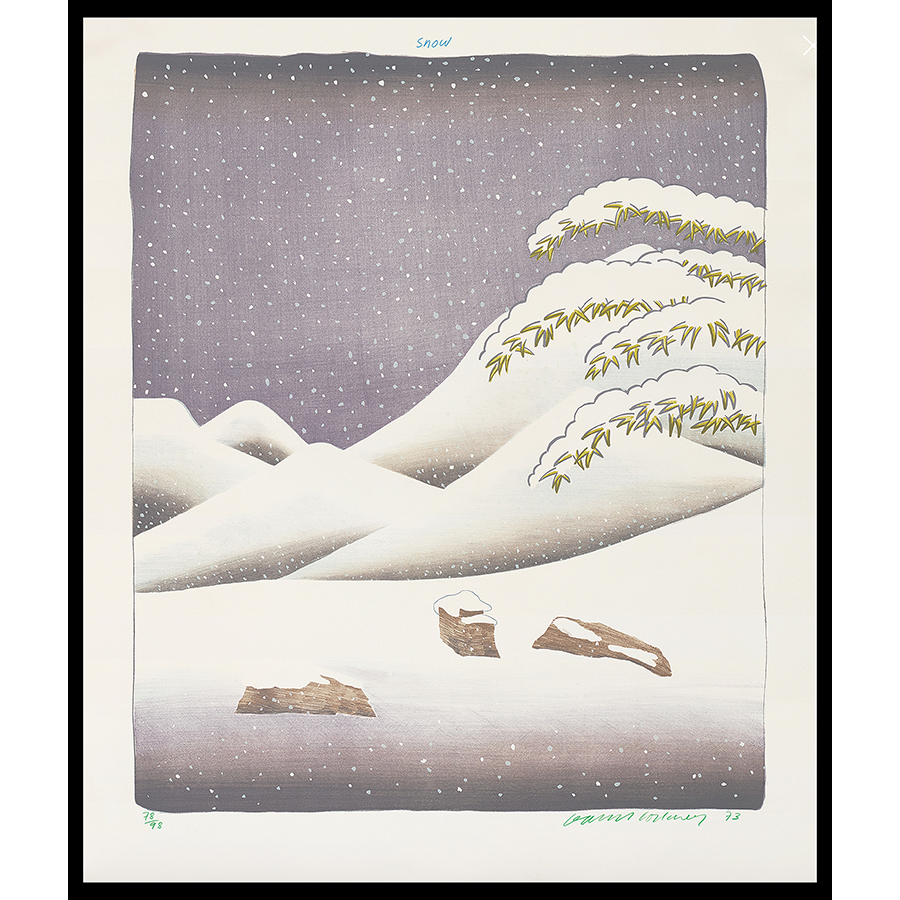
Snow
David Hockney (b. 1937)
EDITION: 78/98
MEDIUM: Lithograph and screenprint
DATE: 1973
DIMENSIONS: 40 x 33 1/2 inches
CONDITION: Excellent—no problems to note
NOTE: Signed, dated, and numbered at the bottom margin; titled at the top
SOLD
Contact us to purchase
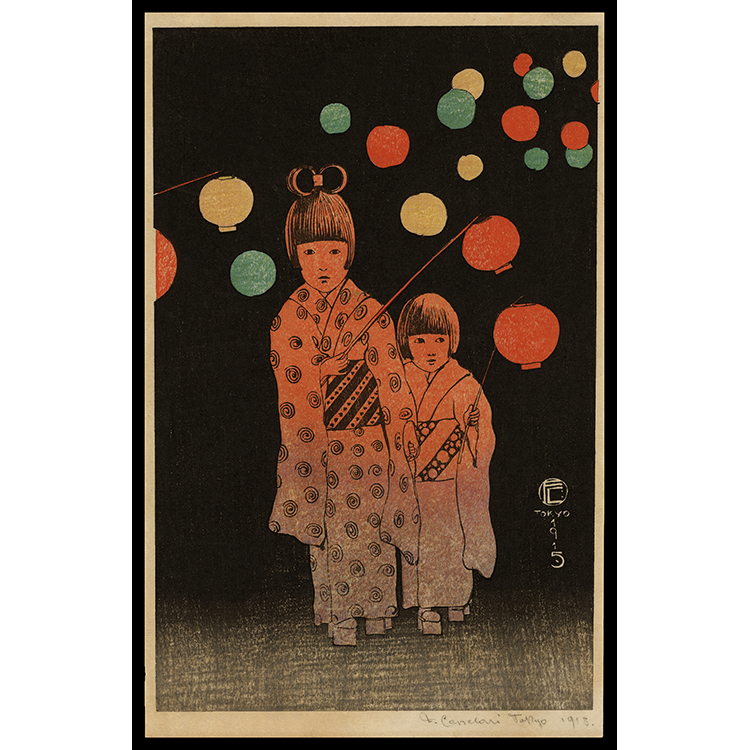
Children at the Fair
Fritz Capelari (1884-1950)
MEDIUM: Woodblock
DATE: 1915
DIMENSIONS: 9 1/4 x 5 7/8 inches
CONDITION: Excellent—no problems to note
LITERATURE: Yokohama Museum of Art, Eyes Towards Asia: Ukiyo-e Artists from Abroad, 1996, pl. 83
SOLD
Contact us to purchase
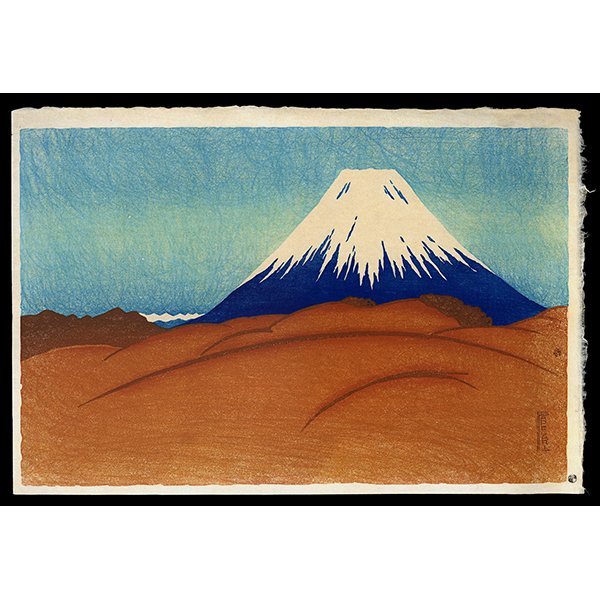
Mt. Fuji from a Desolate Field
Fritz Capelari (1884-1950)
MEDIUM: Woodblock Print
DATE: 1916
DIMENSIONS: 11 1/2 x 16 3/4 inches
CONDITION: Excellent; no problems to note
LITERATURE: Yokohama Museum of Art, Eyes Towards Asia: Ukiyo-e Artists from Abroad, 1996, pl. 82.
SOLD
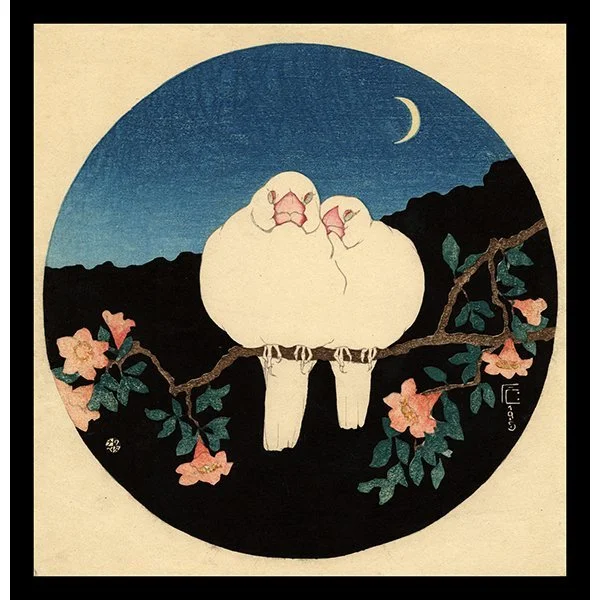
White Birds on a Pomegranate Tree (Night)
Fritz Capelari (1884–1950)
MEDIUM: Woodblock Print
DATE: 1915
DIMENSIONS: 8 1/4 x 8 1/4 inches
PUBLISHER: Watanabe, Shozuburo
CONDITION: No condition problems to note
LITERATURE: Yokohama Museum of Art, Eyes Towards Asia: Ukiyo-e Artists from Abroad, 1996, pl. 81
SOLD
Contact us to purchase

Returning Home in Rain
Fritz Capelari (1884-1950)
MEDIUM: Woodblock Print
DATE: 1915
DIMENSIONS: 11 x 8 1/8 inches
PUBLISHER: Shozuburo Watanabe
CONDITION: Excellent;no condition problems to note
LITERATURE: Yokohama Museum of Art, Eyes Towards Asia: Ukiyo-e Artists from Abroad, 1996, pl. 75a
MEDIA: This artist was discussed on Woodblock Wednesday, Episode 11
SOLD
Contact us to purchase
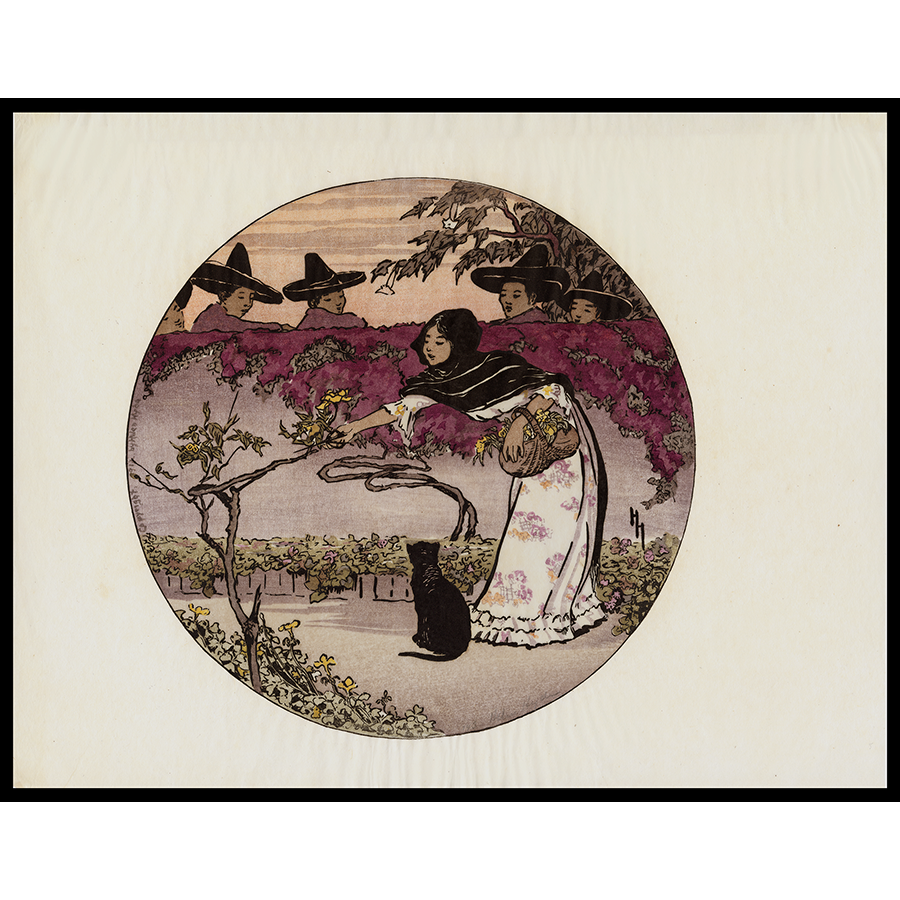
A Mexican Coquette
Helen Hyde (1868-1919)
MEDIUM: Woodblock Print
DATE: 1912
DIMENSIONS: 12 3/8 x 15 3/4 inches
CONDITION: Excellent—tipped onto original mount
LITERATURE: Mason, Tim, Helen Hyde (American Printmakers: A Smithsonian Series)
NOTE: With original kyôgô-zuri, keyblock print proof; pencil signature
SOLD
Contact us to purchase

Akasaka Mitsuke
Noel Nouet (1885-1969)
SERIES: Scenes of Tokyo Views
MEDIUM: Woodblock Print
DATE: 1936
DIMENSIONS: 15 1/2 x 10 3/8 inches
PUBLISHER: Doi
CONDITION: Excellent, light wrinkling to paper
SOLD
Contact us to purchase

Autumn
Paul Binnie (b.1967)
SERIES: The Four Seasons
EDITION: AP 4
MEDIUM: Woodblock Print
DATE: 2003
DIMENSIONS: 19 x 13 inches
CONDITION: Excellent—no problems to note
NOTE: Silver and gold metallic pigments; silver mica background
SOLD
Contact us to purchase
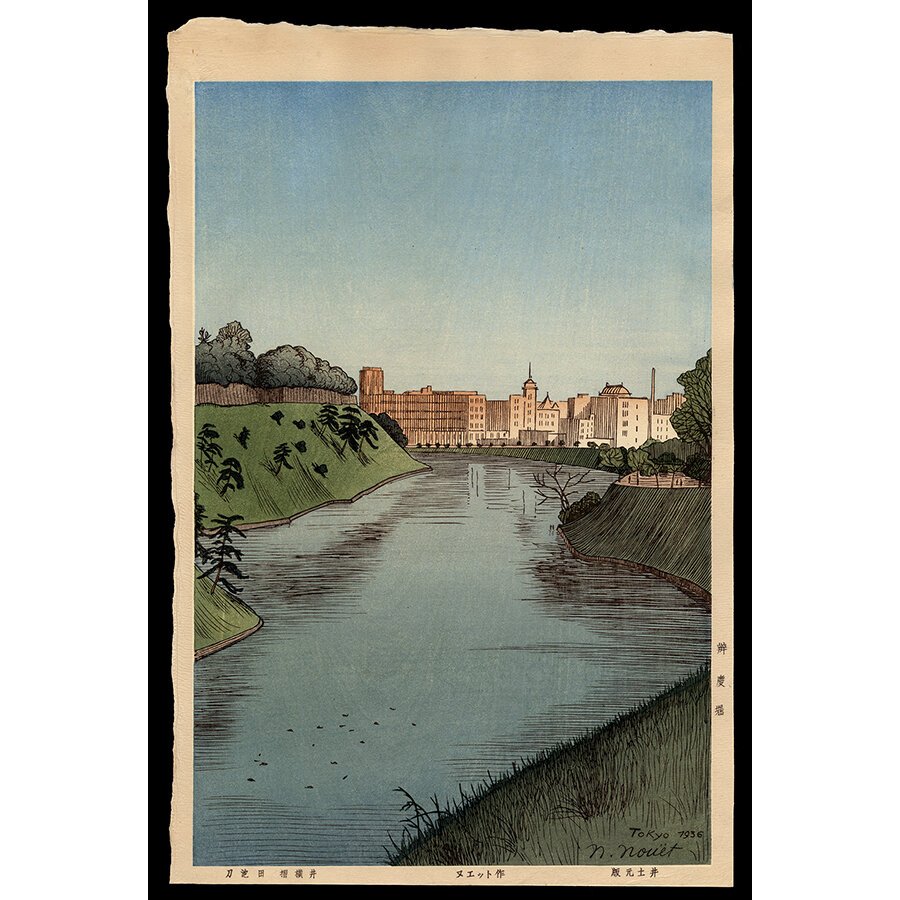
Benkei Bori (Benkei Moat)
Noel Nouet (1885-1969)
SERIES: Scenes of Tokyo Views
MEDIUM: Woodblock Print
DATE: 1936
DIMENSIONS: 15 1/2 x 10 1/4 inches
PUBLISHER: Doi
CONDITION: Excellent—no problems to note
SOLD
Contact us to purchase
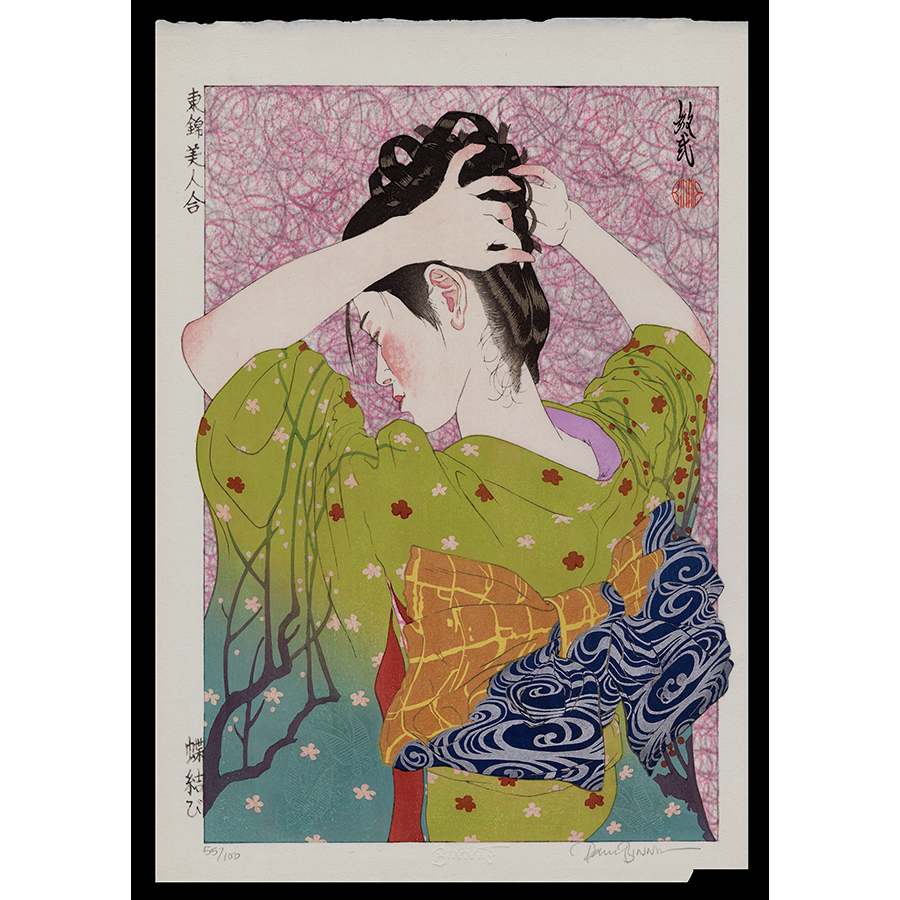
Butterfly Bow
Paul Binnie (b.1967)
EDITION: 55/100
MEDIUM: Woodblock Print
DATE: 2005
DIMENSIONS: 17 1/4 x 11 3/4 inches
CONDITION: Excellent—no problems to note
LITERATURE: Kendall H. Brown, Paul Griffith, Akama Ryo, Eric van den Ing (editor), Paul Binnie - A Dialogue with the Past: The First 100 Japanese Prints, 2007
SOLD
Contact us to purchase
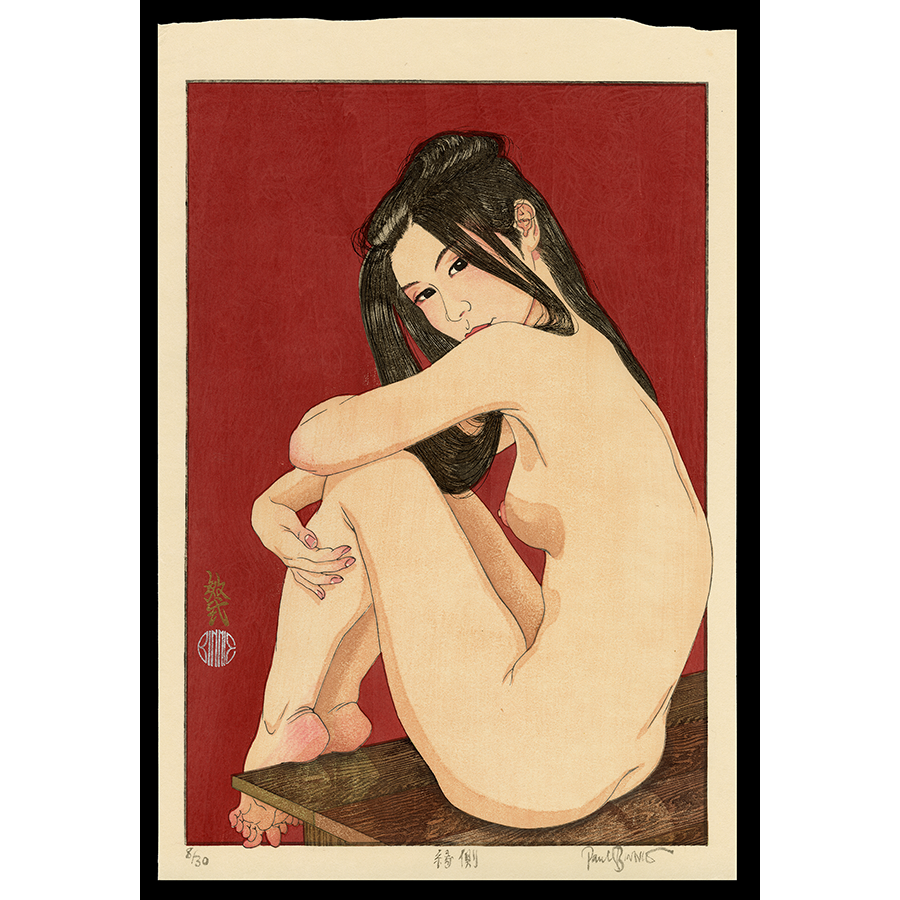
Engawa
Paul Binnie (b.1967)
EDITION: 8/30
MEDIUM: Woodblock Print
DATE: 2003
DIMENSIONS: 17 x 11 3/8 inches
CONDITION: Excellent—no problems to note
NOTE: Silver metallic pigments
SOLD
Contact us to purchase
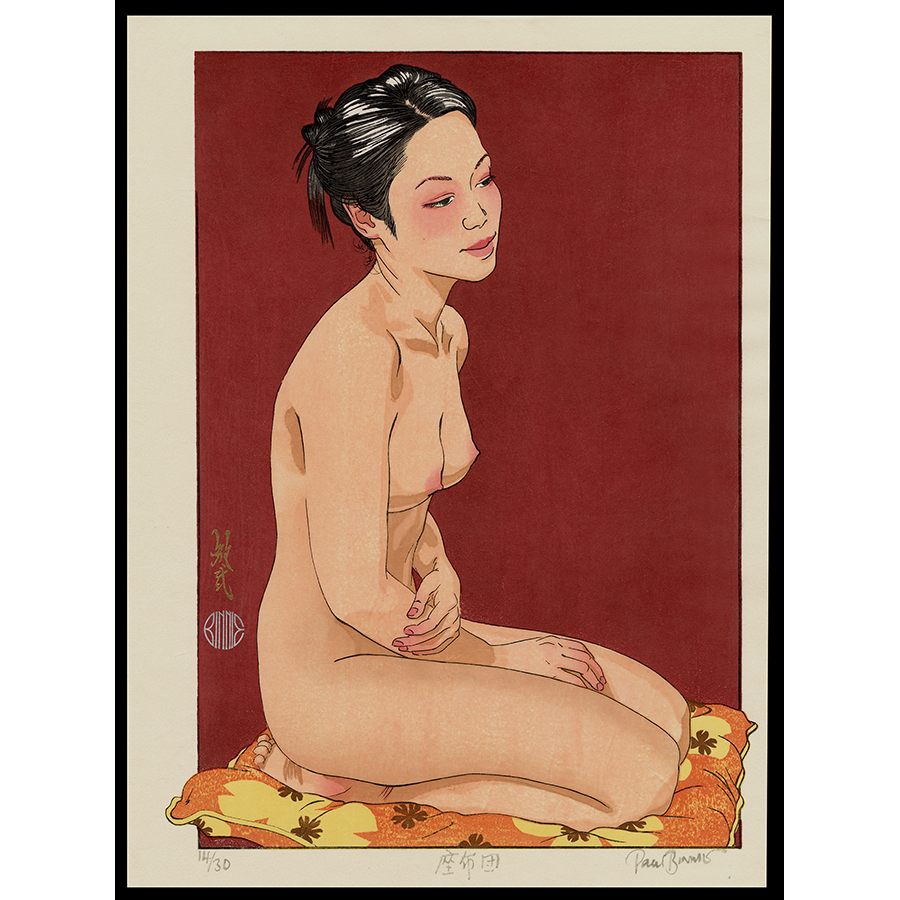
Floor Cushion
Paul Binnie (b.1967)
EDITION: 14/30
MEDIUM: Woodblock Print
DATE: 2003
DIMENSIONS: 18 7/8 x 12 5/8 inches
CONDITION: Excellent—no problems to note
SOLD
Contact us to purchase
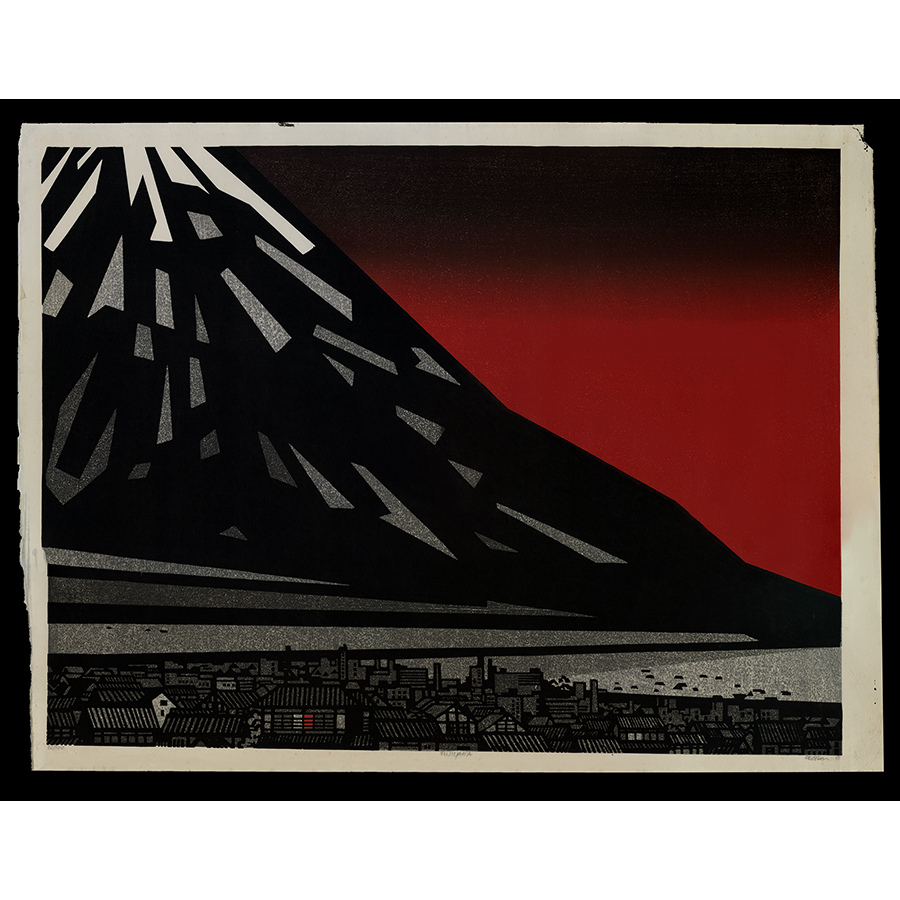
Fujiyama
Clifton Karhu (1927-2007)
EDITION: 87/100
MEDIUM: Woodblock Print
DATE: 1988
DIMENSIONS: 26 x 35 inches
CONDITION: Excellent—no problems to note
SOLD
Contact us to purchase
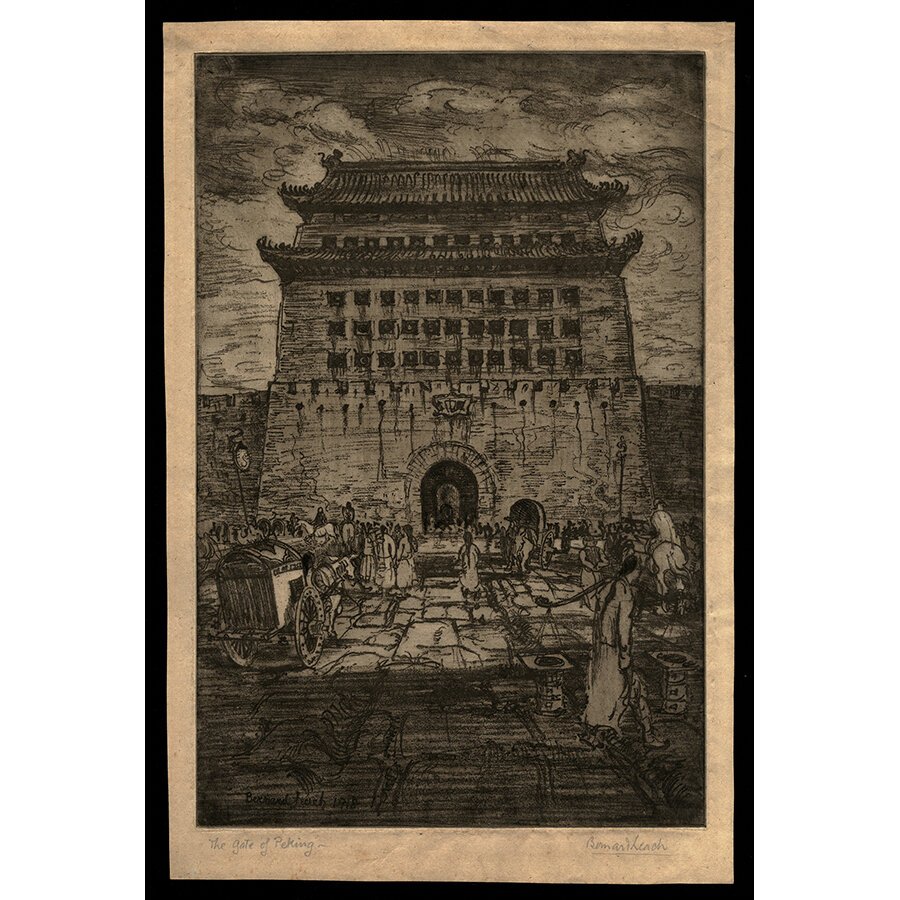
The Gate of Peking
Bernard Leach (1887-1979)
MEDIUM: Etching
DATE: 1918
DIMENSIONS: 13 1/4 x 8 7/8 inches
CONDITION: Slight soiling to paper: light crease at top right
NOTE: Early lifetime impression; pencil signature
LITERATURE: Chiba Art Museum, Nihon no hanga II 1911-1920 Kizamareta “kojin” no kyoen, pl. 53
SOLD
Contact us to purchase
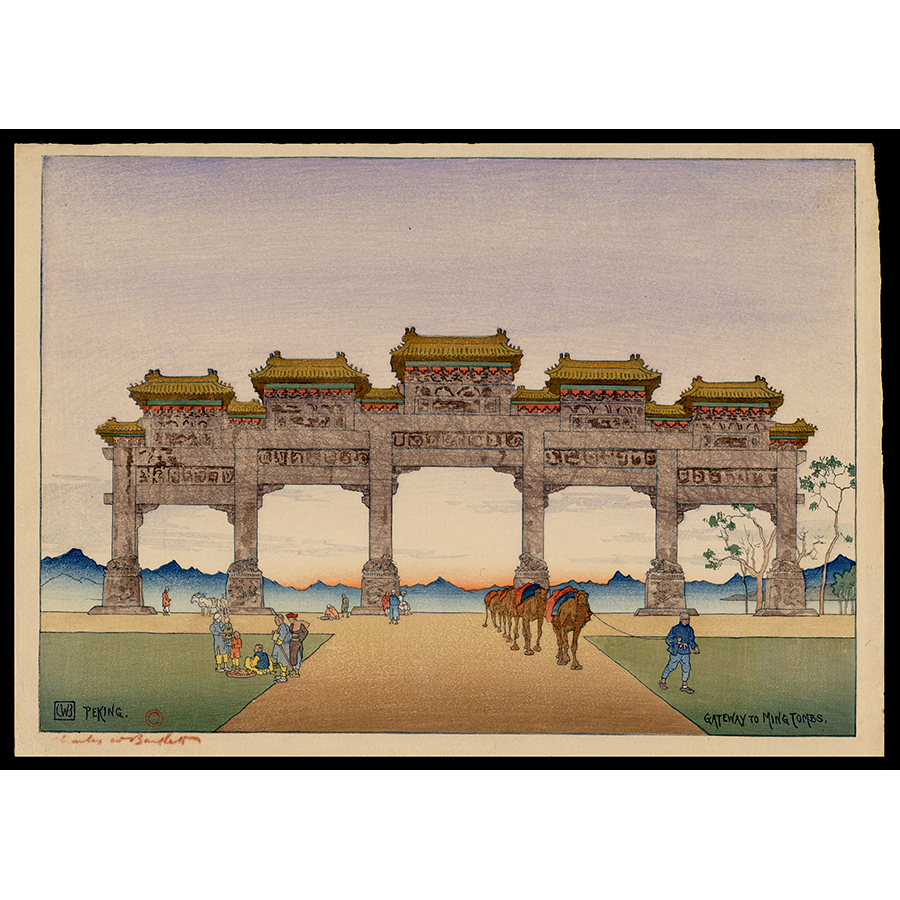
Gateway to Ming Tombs
Charles Bartlett (1869-1940)
MEDIUM: Woodblock Print
DATE: 1919
DIMENSIONS:11 3/8 x 16 1/4 inches
CONDITION: Excellent—faint rubbing to paper
LITERATURE: Honolulu Academy of Arts, A Printmaker in Paradise: The Art and Life of Charles Bartlett, pl. 42
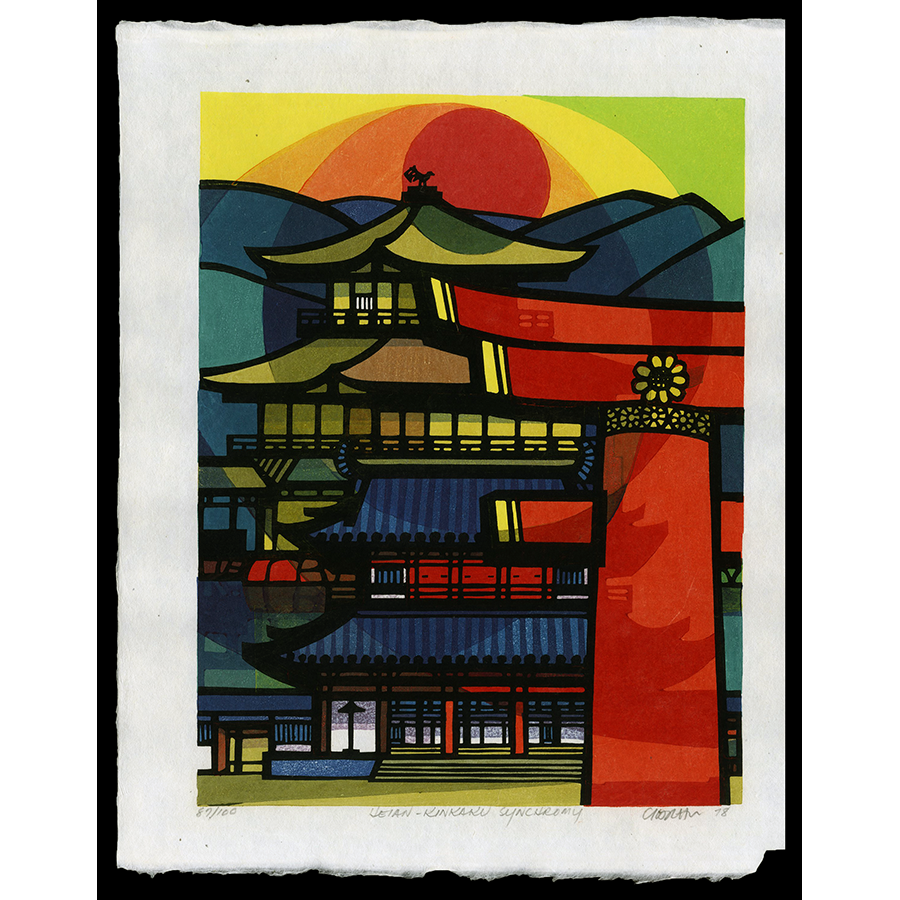
Heian—Kinkaku Synchrony
Clifton Karhu (1927-2007)
EDITION: 87/100
MEDIUM: Woodblock Print
DATE: 1978
DIMENSIONS: 18 7/8 x 14 3/4 inches
CONDITION: Excellent—no problems to note
SOLD
Contact us to purchase

Island at Matsushima
Fritz Capelari (1884-1950)
MEDIUM: Woodblock
DATE: 1915
DIMENSIONS: 10 7/16 x 15 3/8 inches
PUBLISHER: Watanabe, Shozuburo
CONDITION: Excellent—no problems to note
LITERATURE: Yokohama Museum of Art, Eyes Towards Asia: Ukiyo-e Artists from Abroad, 1996, pl. 79-a
SOLD
Contact us to purchase
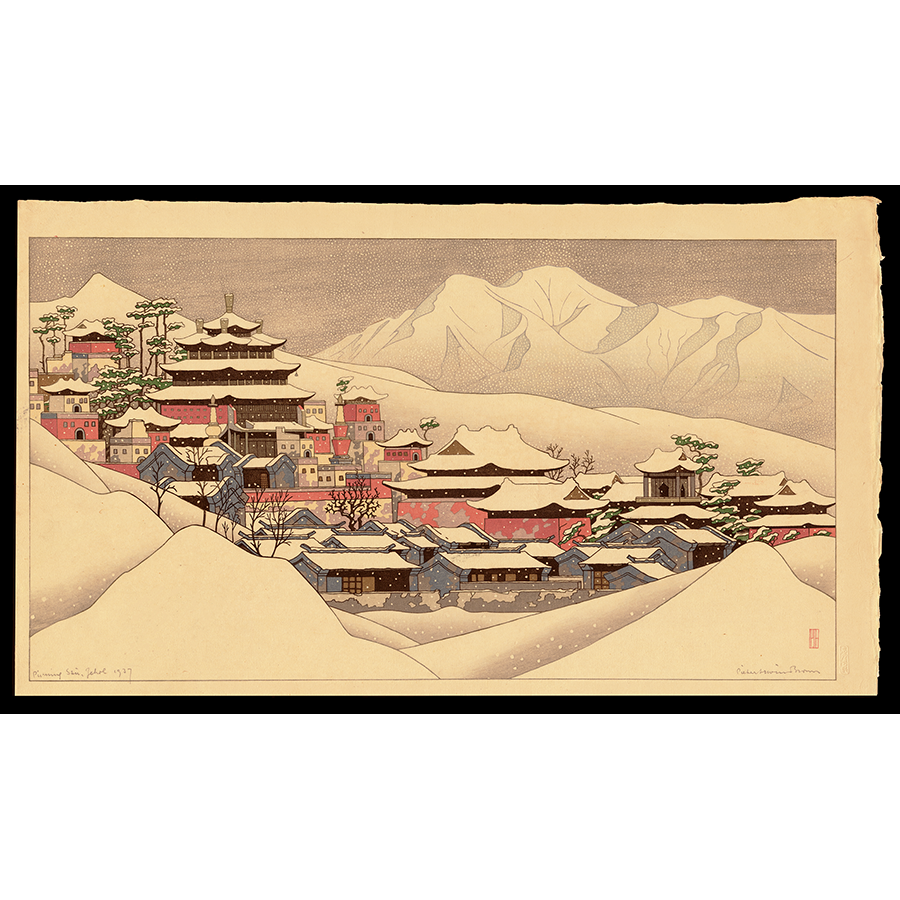
Jehol in Winter
Peter Irwin Brown (1903-1988)
MEDIUM: Woodblock Print
DATE: 1937
DIMENSIONS: 11 x 19 inches
CONDITION: Excellent—no problems to note
LITERATURE: Yokohama Museum of Art, Eyes Towards Asia: Ukiyo-e Artists from Abroad, 1996, pl. 133
SOLD
Contact us to purchase
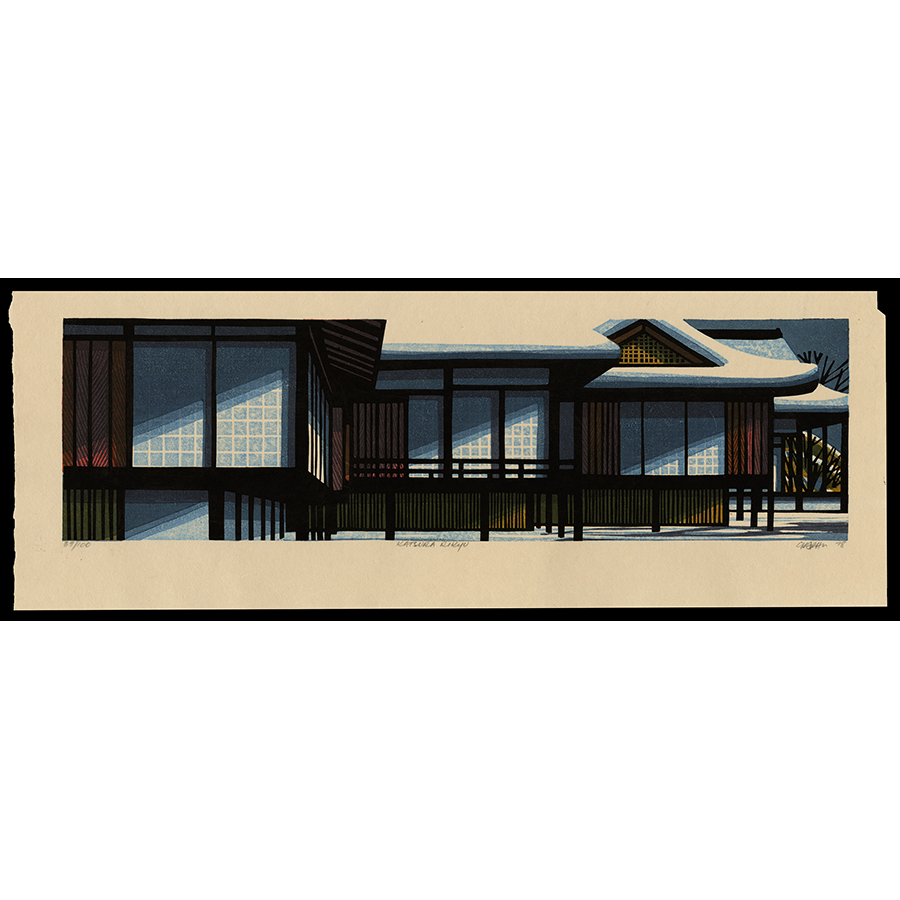
Katsura Rikyu
Clifton Karhu (1927-2007)
EDITION: 37/100
MEDIUM: Woodblock Print
DATE: 1978
DIMENSIONS: 9 5/8 x 26 inches
CONDITION: Excellent—no problems to note
SOLD
Contact us to purchase
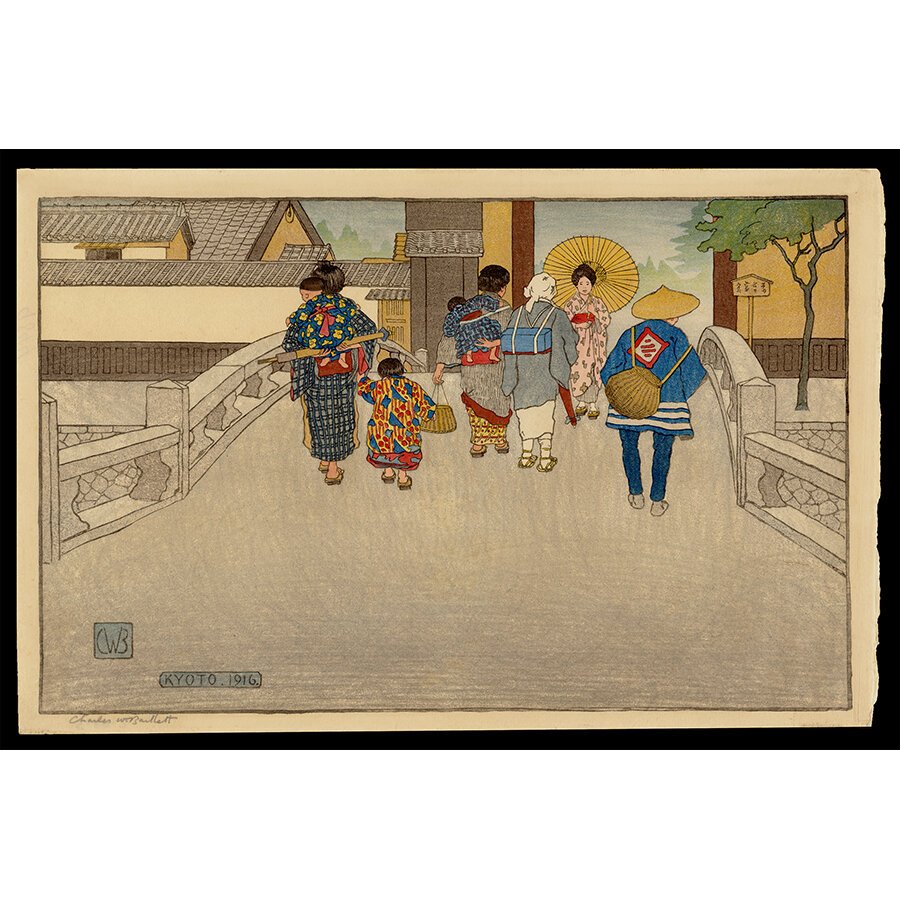
Kyoto
Charles Bartlett (1869-1940)
MEDIUM: Woodblock Print
DATE: 1916
DIMENSIONS: 9 x 14 1/4 inches
CONDITION: Excellent—no problems to note
LITERATURE: Honolulu Academy of Arts, A Printmaker in Paradise: The Art and Life of Charles Bartlett, pl. 31
SOLD
Contact us to purchase
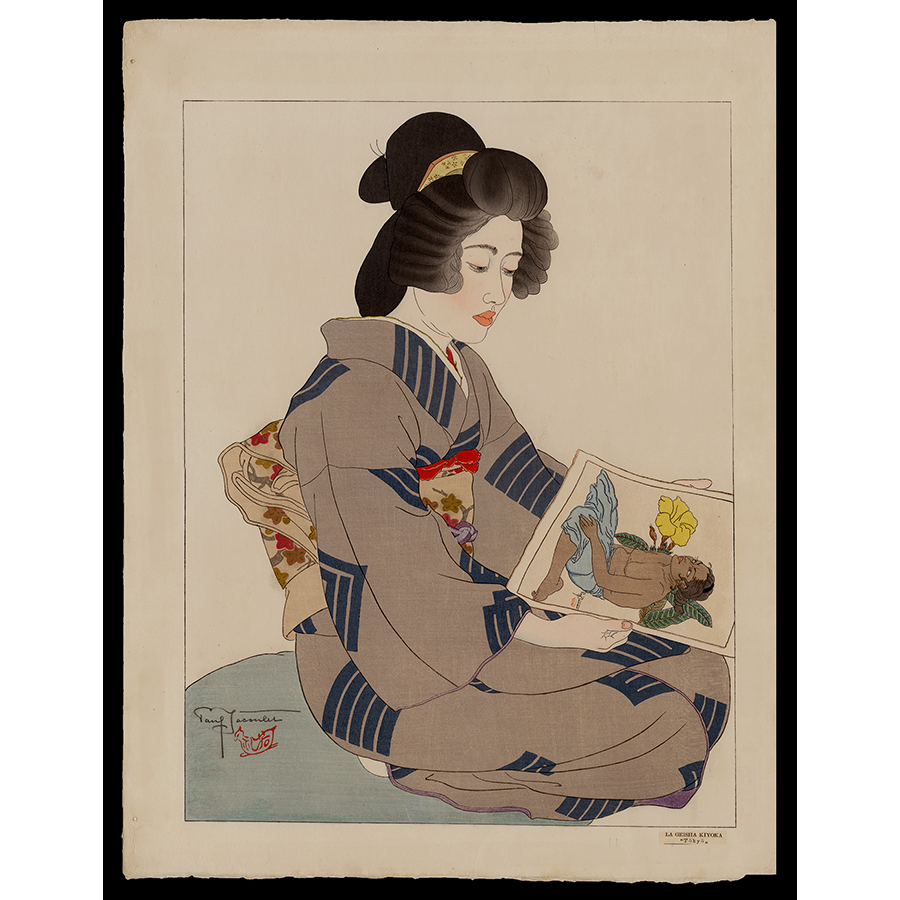
La Geisha Kiyoka
Paul Jacoulet (1896-1960)
EDITION: Kanji Edition, 90/150
MEDIUM: Woodblock Print
DATE: 1935
DIMENSIONS: 18 1/2 x 14 3/4 inches
CONDITION: Tape remnants on reverse
LITERATURE: Miles, Richard, Prints of Paul Jacoulet, pl. 19
NOTE: Silver mica background
SOLD
Contact us to purchase
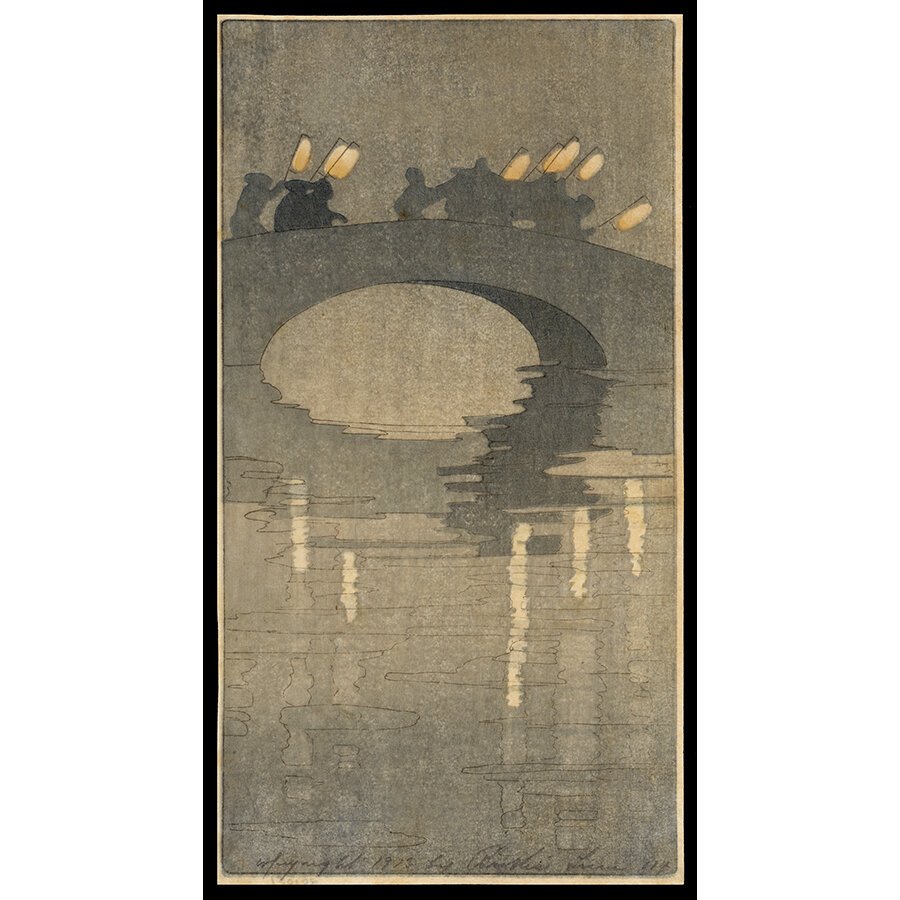
Lanterns
Bertha Lum (1869-1954)
MEDIUM: Woodblock Print
DATE: 1906
DIMENSIONS: 9 1/2 x 5 inches
CONDITION: Excellent—no problems to note
LITERATURE: Pulin, Carol, Gravalos, Mary Evans O'Keefe, Bertha Lum (American Printmakers: A Smithsonian Series), Cat.no 9
SOLD
Contact us to purchase
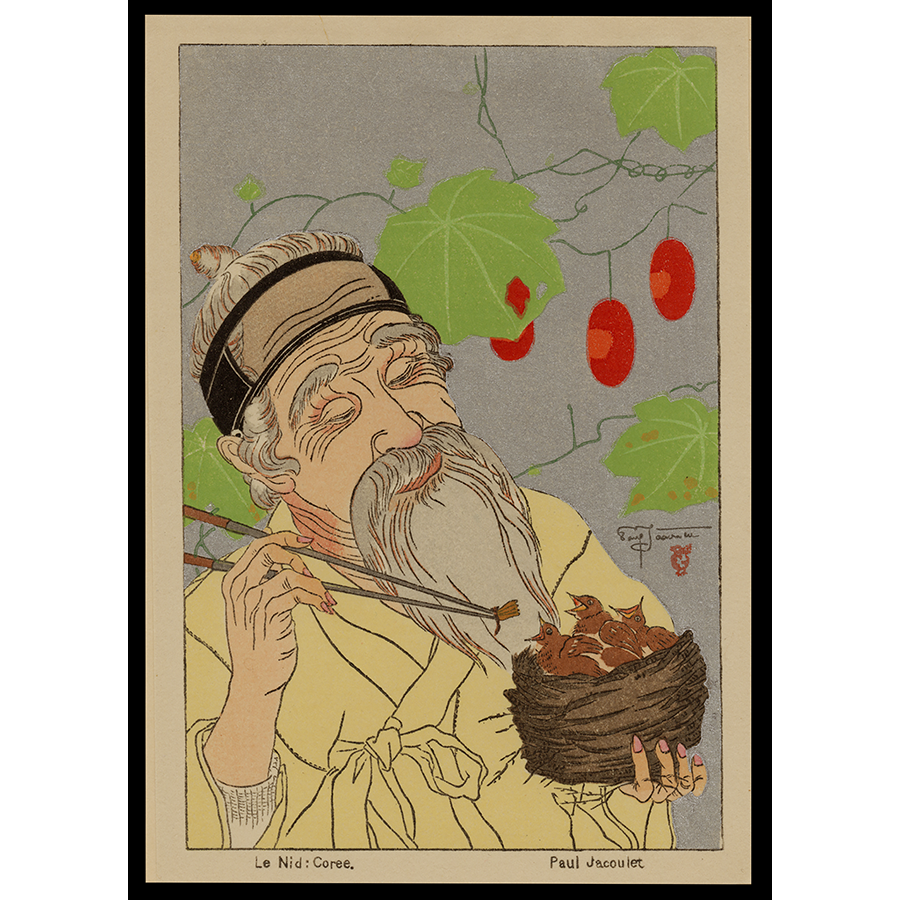
Le Nid Coree Surimono Postcard
Paul Jacoulet (1896-1960)
EDITION: Surimono Postcard
MEDIUM: Woodblock Print
DATE: c. 1948
DIMENSIONS: 6 1/4 x 4 3/8 inches
CONDITION: Excellent—no problems to note
LITERATURE: Miles, Richard, Prints of Paul Jacoulet
SOLD
Contact us to purchase
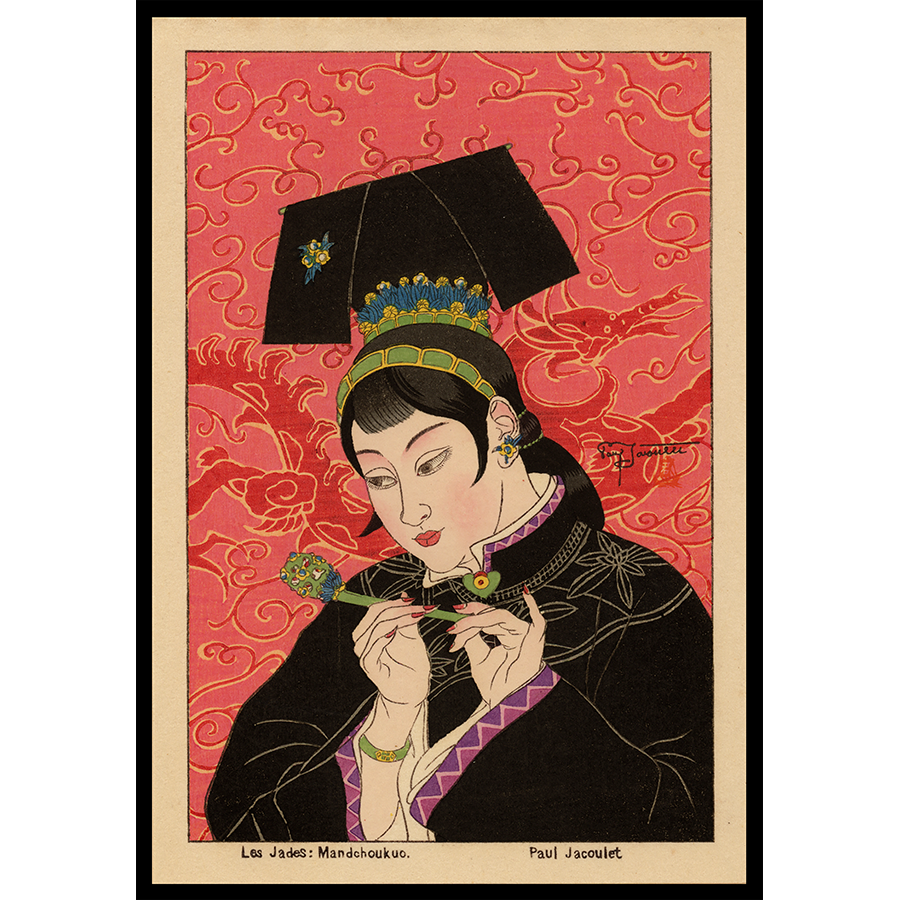
Les Jade Mandchoukuo
Paul Jacoulet (1896-1960)
EDITION: Surimono Postcard
MEDIUM: Woodblock Print
DATE: c. 1948
DIMENSIONS: 6 1/4 x 4 3/8 inches
CONDITION: Excellent—no problems to note
LITERATURE: Miles, Richard, Prints of Paul Jacoulet
SOLD
Contact us to purchase
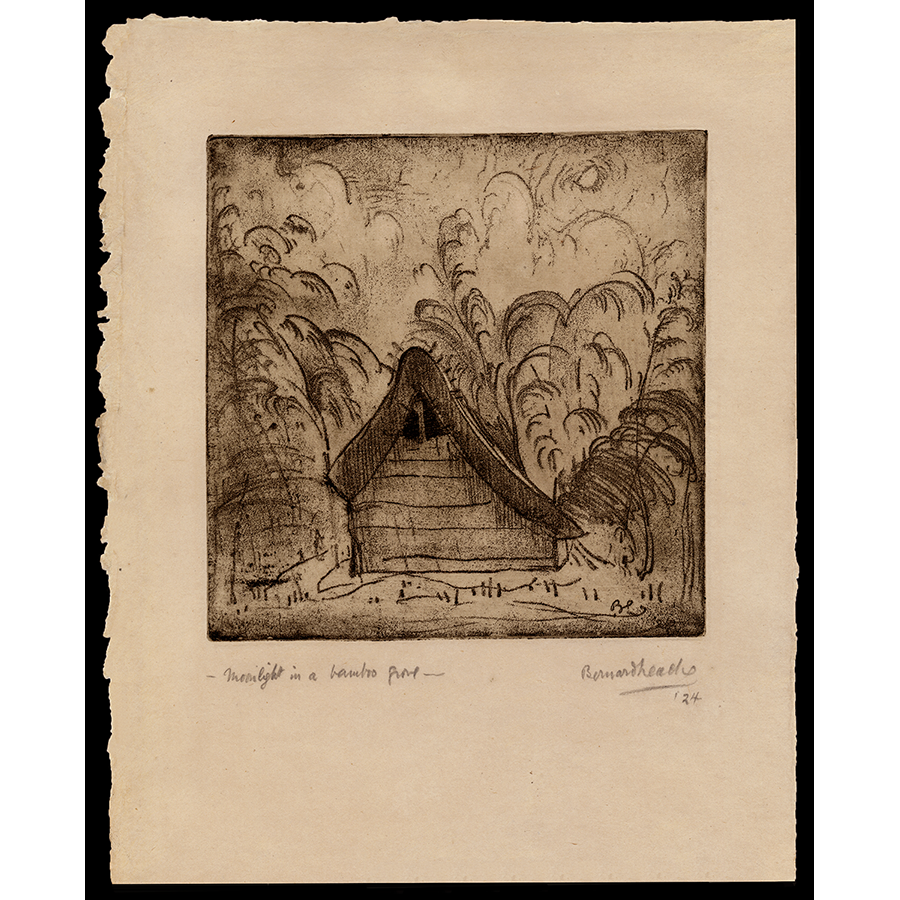
Moonlight in Bamboo Grove
Bernard Leach (1887-1979)
MEDIUM: Etching
DATE: 1914-24, this impression dated 1924
DIMENSIONS: 10 1/8 x 8 1/4 inches
CONDITION: Excellent—no problems to note
NOTE: Early lifetime impression; pencil signature
LITERATURE: Olding, Simon,The Etchings of Bernard Leach, pl.53
SOLD
Contact us to purchase
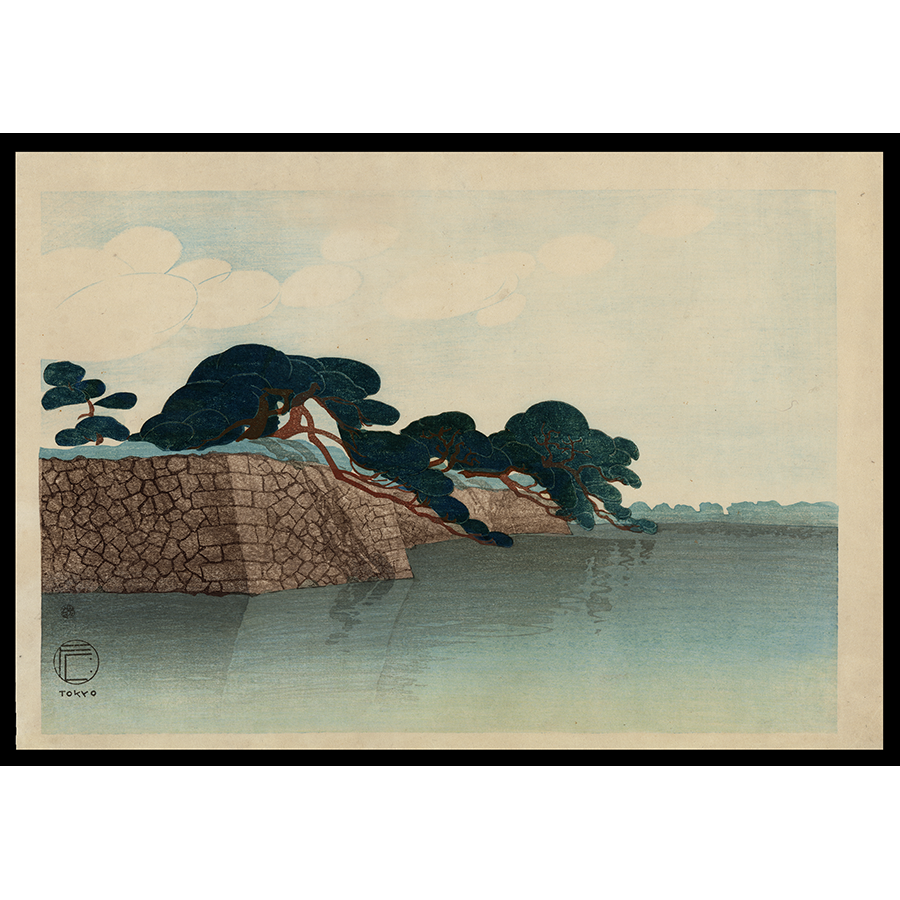
Pine Trees by the Moat
Fritz Capelari (1884-1950)
MEDIUM: Woodblock Print
DATE: 1915
DIMENSIONS: 9 3/4 x 14 inches
PUBLISHER: Watanabe, Shozuburo
CONDITION: Excellent—no problems to note
LITERATURE: Yokohama Museum of Art, Eyes Towards Asia: Ukiyo-e Artists from Abroad, 1996, pl. 77-a
SOLD
Contact us to purchase
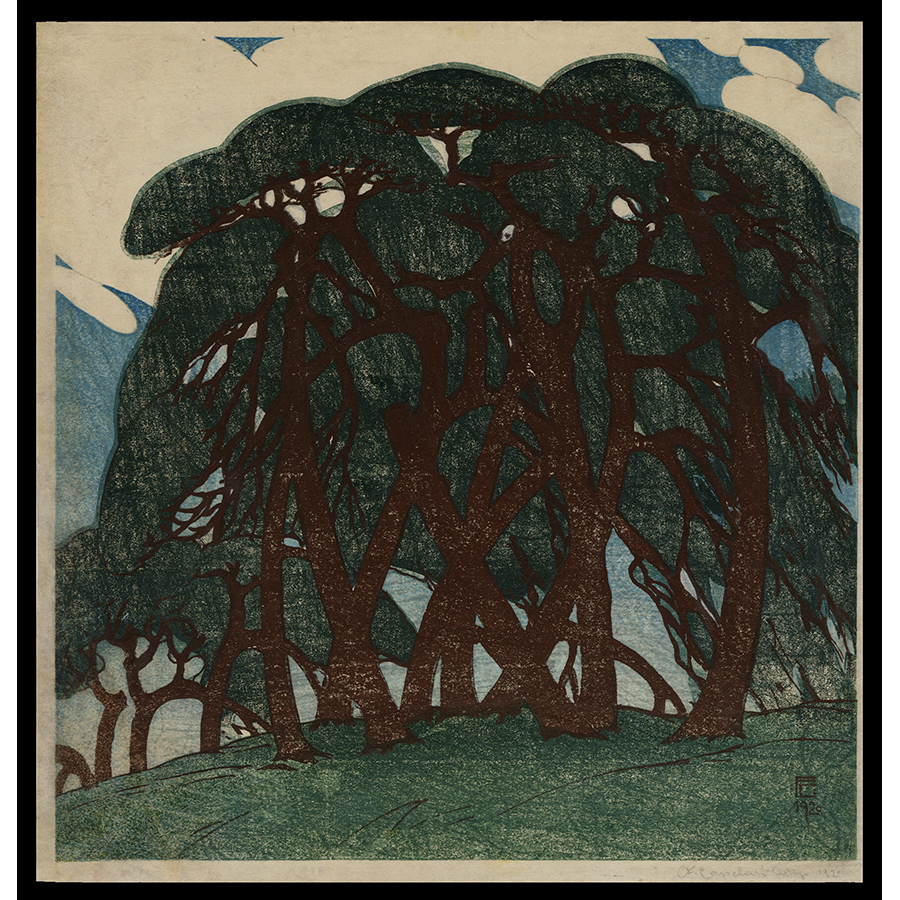
Pines Near Yotsuya Mitsuke
Fritz Capelari (1884-1950)
MEDIUM: Woodblock Print
DATE: 1920
DIMENSIONS: 12 3/4 x 12 3/8 inches
PUBLISHER: Watanabe, Shozuburo
CONDITION: Light soiling to paper
LITERATURE: Yokohama Museum of Art, Eyes Towards Asia: Ukiyo-e Artists from Abroad, 1996, pl. 84
NOTE: Variant state with lighter coloration and subtle use of bokashi throughout the design
SOLD
Contact us to purchase
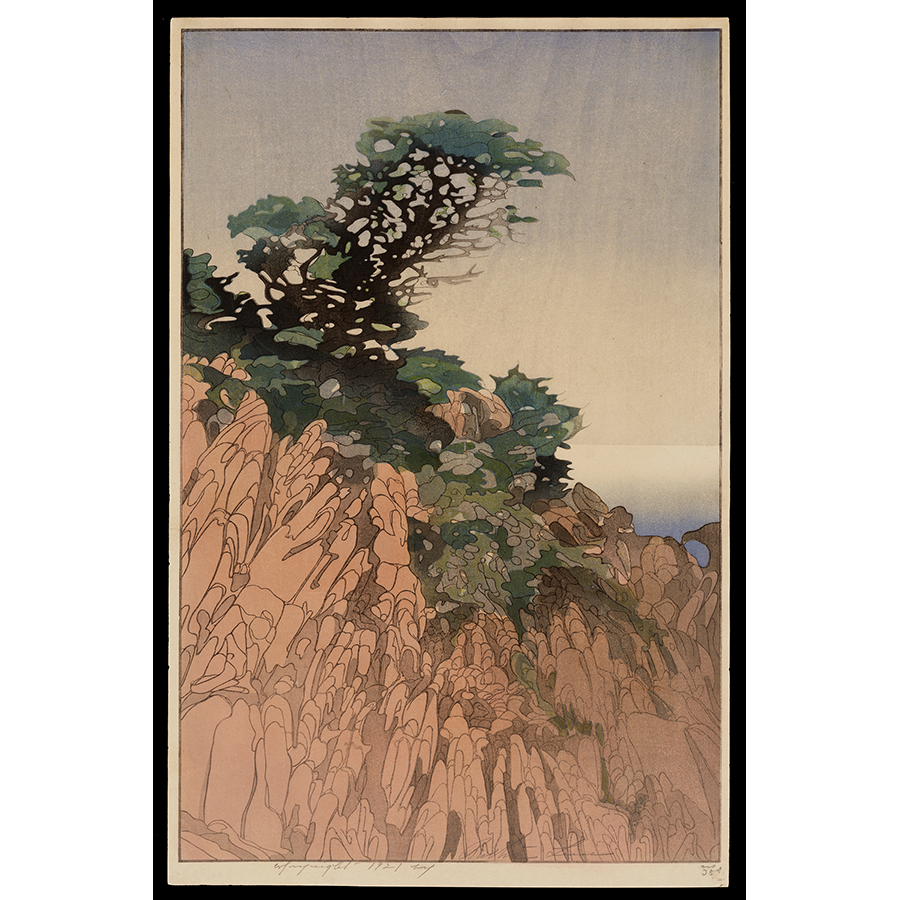
Point Lobos
Bertha Lum (1869-1954)
MEDIUM: Woodblock Print
DATE: 1920
DIMENSIONS: 16 7/8 x 11 1/8 inches
CONDITION: Excellent—minor thinning on reverse; faint scuff in image
LITERATURE: Pulin, Carol, Gravalos, Mary Evans O'Keefe, Bertha Lum (American Printmakers: A Smithsonian Series), Cat.no 55
SOLD
Contact us to purchase
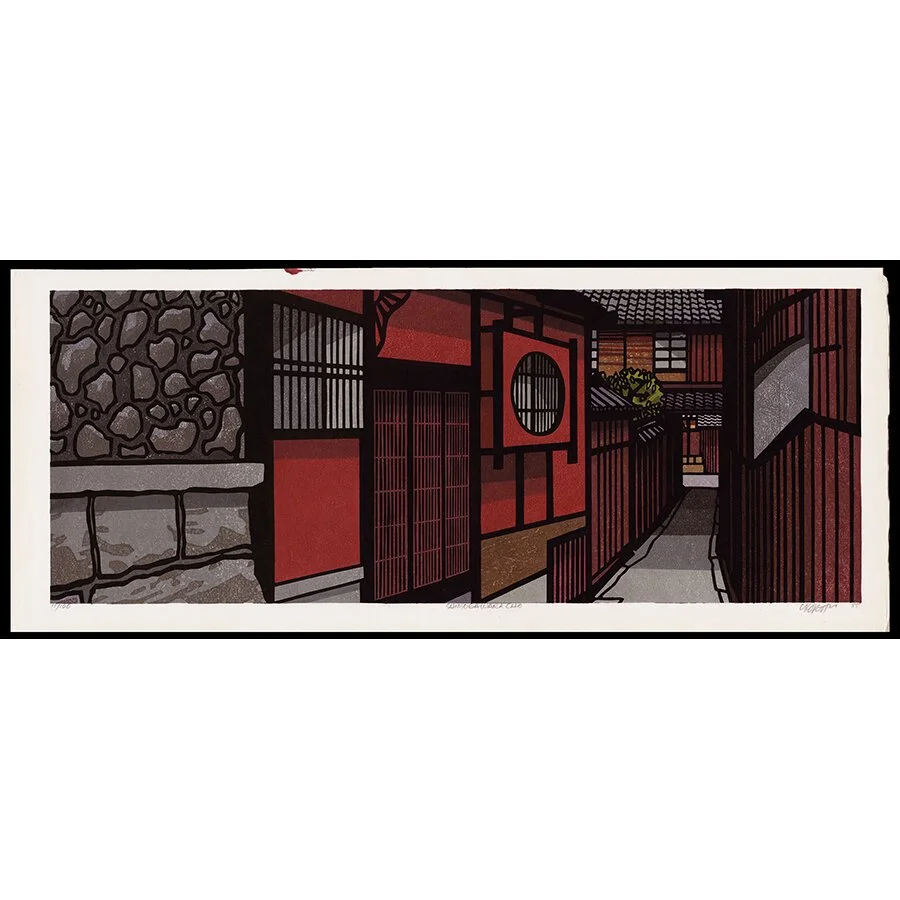
Shimogawara Cho
Clifton Karhu (1927-2007)
EDITION: 11/100
MEDIUM: Woodblock Print
DATE: 1985
DIMENSIONS: 12 1/4 x 29 1/4 inches
CONDITION: Excellent—no problems to note
SOLD
Contact us to purchase
1937
SOLD
Ginza in the Snow
Peter Irwin Brown (1903-1988)
MEDIUM: Woodblock Print
DATE: 1937
DIMENSIONS: 11 1/4 x 14 3/4 inches
CONDITION: Excellent—no problems to note
LITERATURE: Yokohama Museum of Art, Eyes Towards Asia: Ukiyo-e Artists from Abroad, 1996, pl. 133
SOLD
Contact us to purchase